Sicily, Slowly
An island of volcanoes and temples, of wine grown on black earth and evenings that arrive by boat. This is the Sicily you dream first — and the one worth waiting for.
The islands that only answer to the sea.
North of Sicily, seven volcanic islands rise out of water so deep it turns violet by late afternoon. Panarea is the smallest and the most whispered about — whitewashed houses, no cars to speak of, yachts swinging quietly at anchor. It has been the Mediterranean’s best-kept open secret for half a century, and it intends to stay that way.
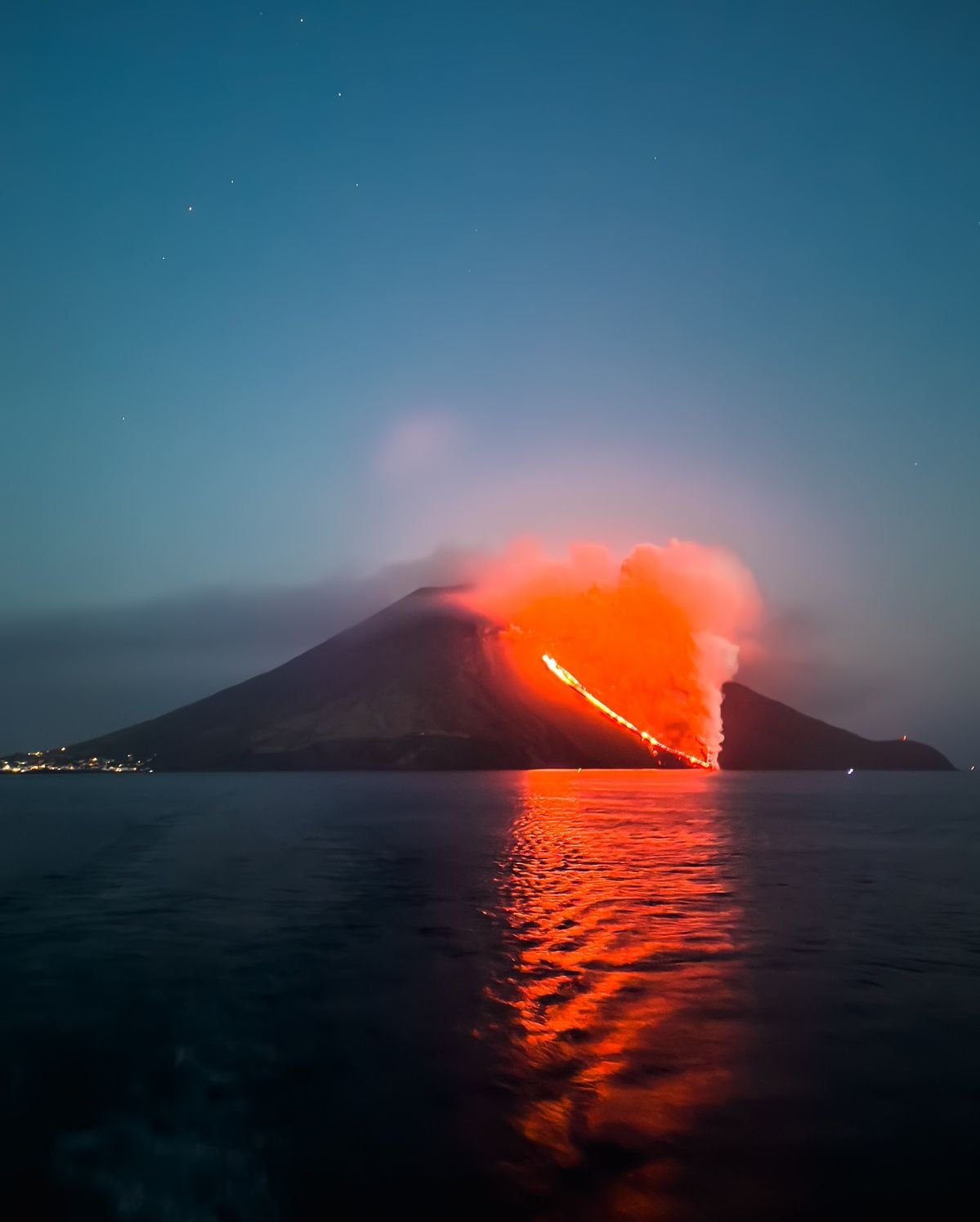
The day builds toward one image. As night falls, the boat draws close to Stromboli, the volcano that has been erupting, faithfully, for over two thousand years. From the deck, in the dark, you watch the mountain breathe fire into the sky — no commentary necessary, no photograph quite equal to it.
Some places you visit. This one you witness.
Black earth, old vines, a small red car.
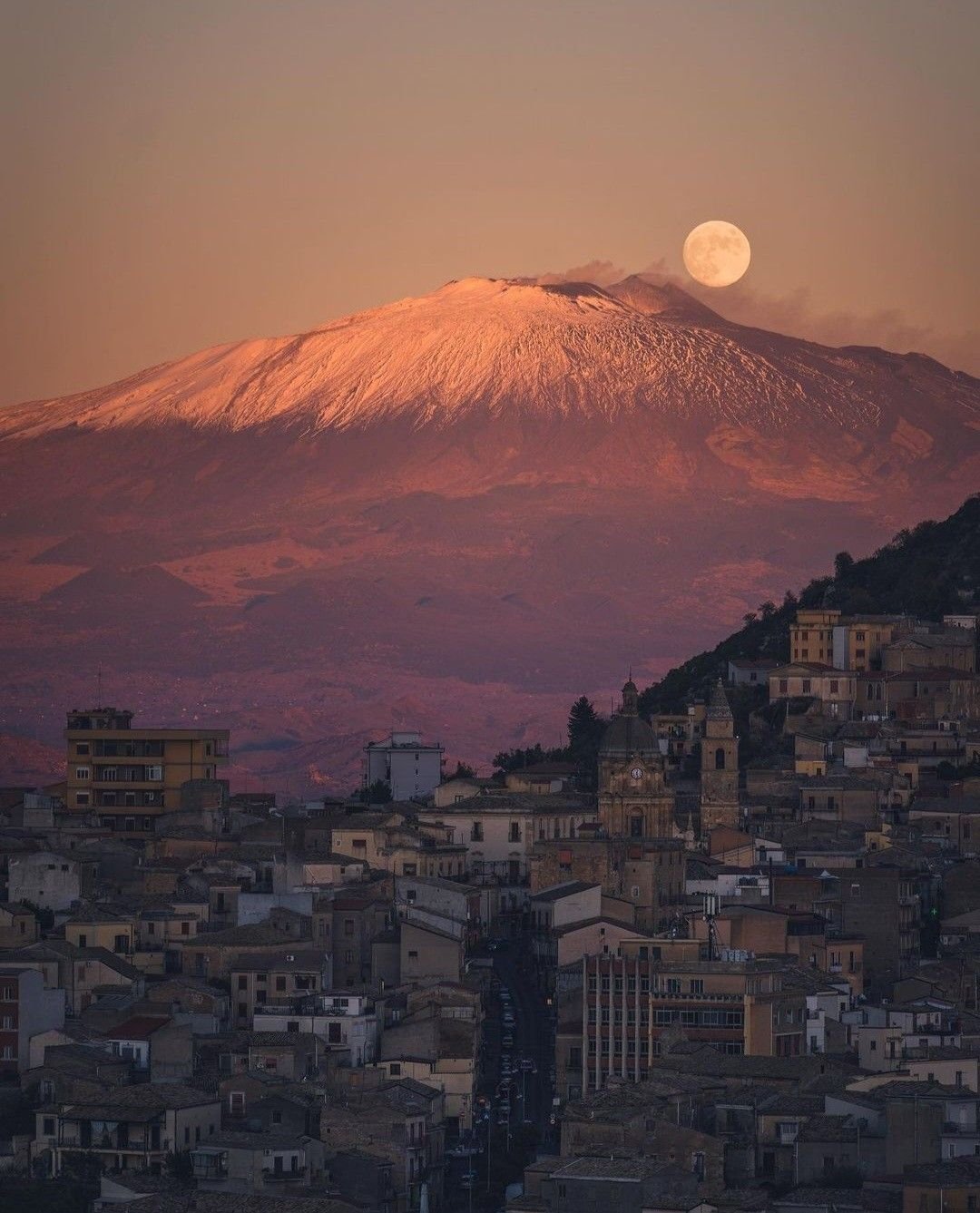
Etna is not scenery. It is the island’s engine — and, improbably, one of Europe’s most compelling wine regions. On its slopes, vines over a century old grow out of dark volcanic soil, producing reds with the tension of a mountain that never quite sleeps.
The way to meet this landscape is not from a bus window. It is from behind the wheel of a vintage Fiat 500, following the wine road as it climbs through lava fields and hazelnut groves, stopping where the cellar doors open and the pouring begins. The gorges of the Alcantara — black basalt cut by cold green water — wait along the way.
It is the rare drive where arriving matters less than every single kilometre.
Where the Greeks kept their best light.
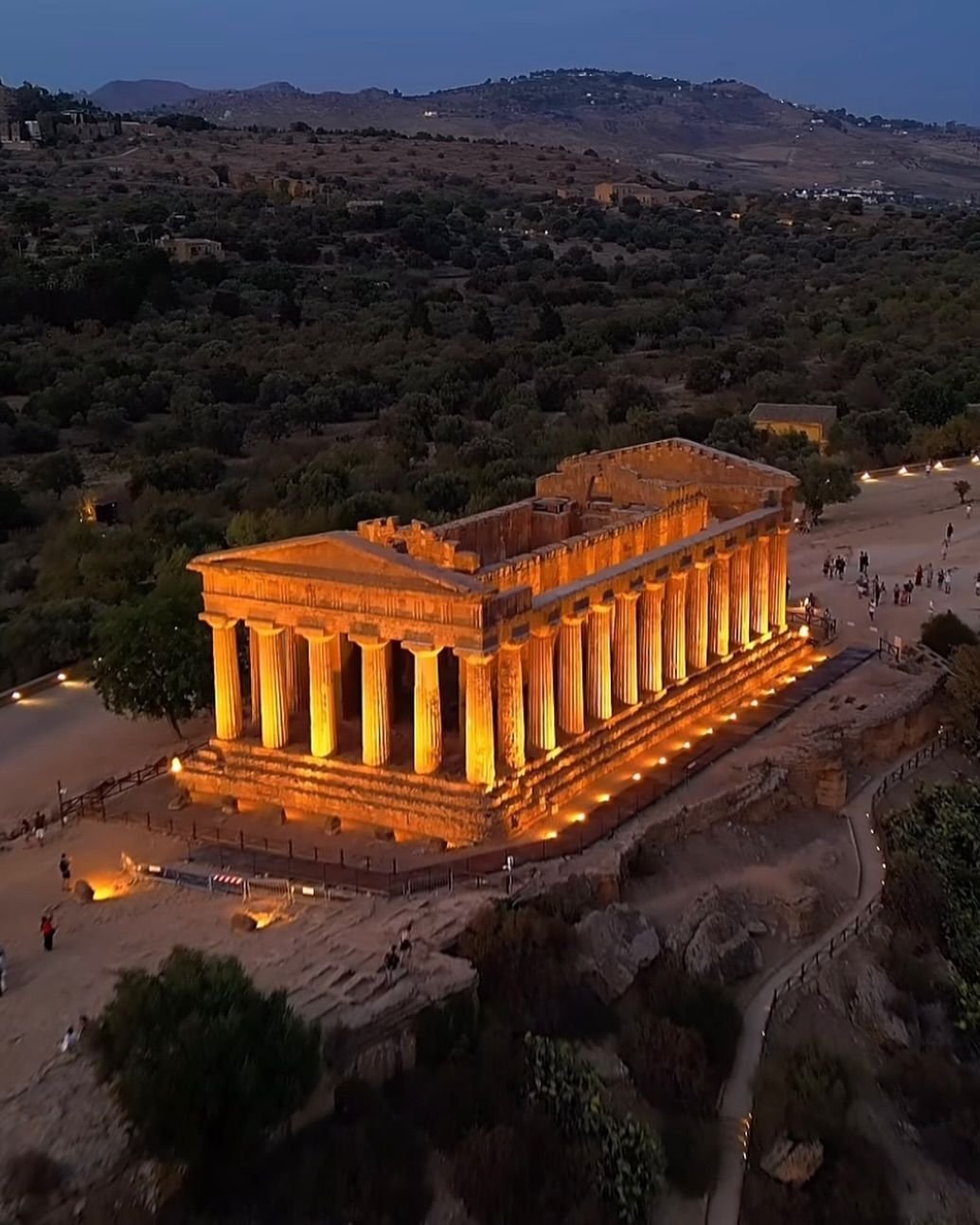
On a ridge above the sea, facing Africa, stands the finest row of Greek temples outside Greece. The Valley of the Temples is misnamed — it is a crest, not a valley — and that is precisely the point: these temples were built to be seen from below, glowing against the sky.
Come late in the day, when the tour groups thin and the limestone turns the color of honey. The Temple of Concordia, nearly intact after twenty-five centuries, holds the last of the light longer than anything around it — and after dusk, the stones stay lit like a lantern left burning for the gods.
This is Sicily’s oldest luxury: grandeur that asks nothing of you but time.
The souvenir you cook yourself.
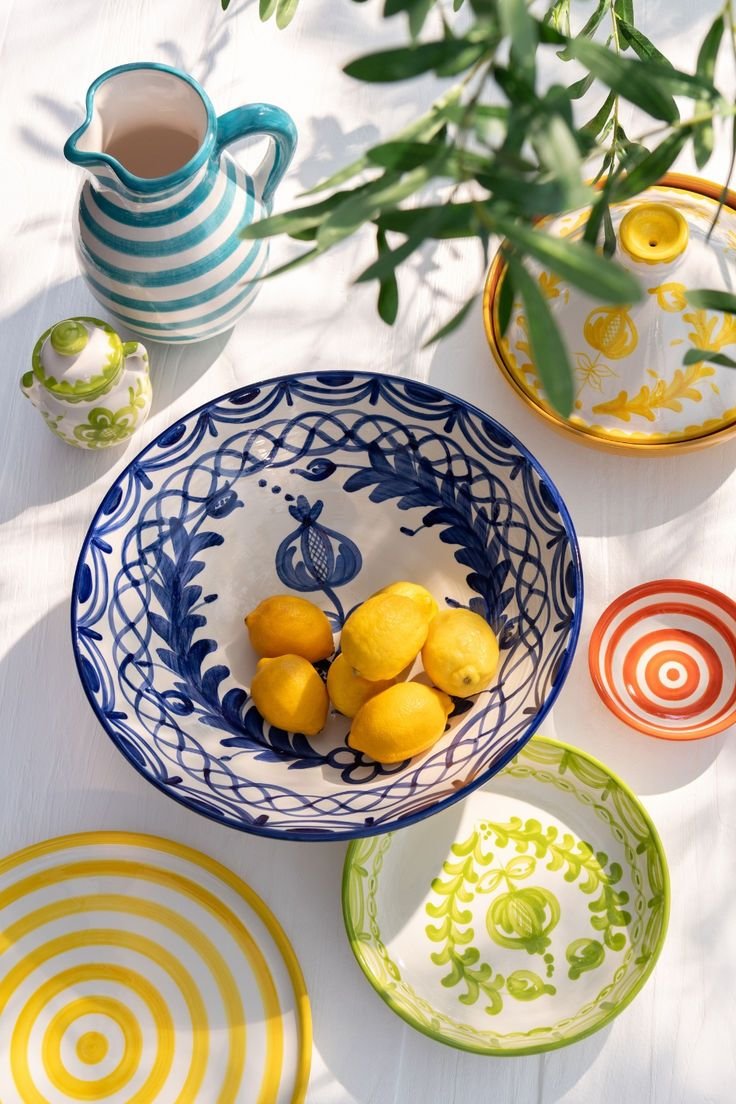
Every Sicilian journey ends in a kitchen, whether you plan it or not. Better to plan it: a morning that begins among market stalls and ends at a long table, rolling pasta by hand, learning why the eggplant is fried twice and the cannolo is filled only at the last minute.
This is not a cooking class so much as an initiation. The recipes are dowry, passed down and argued over; the lunch that follows — your own — is eaten slowly, with wine, the way the island intended.
You arrive a visitor. You leave knowing something Sicily only tells its own.
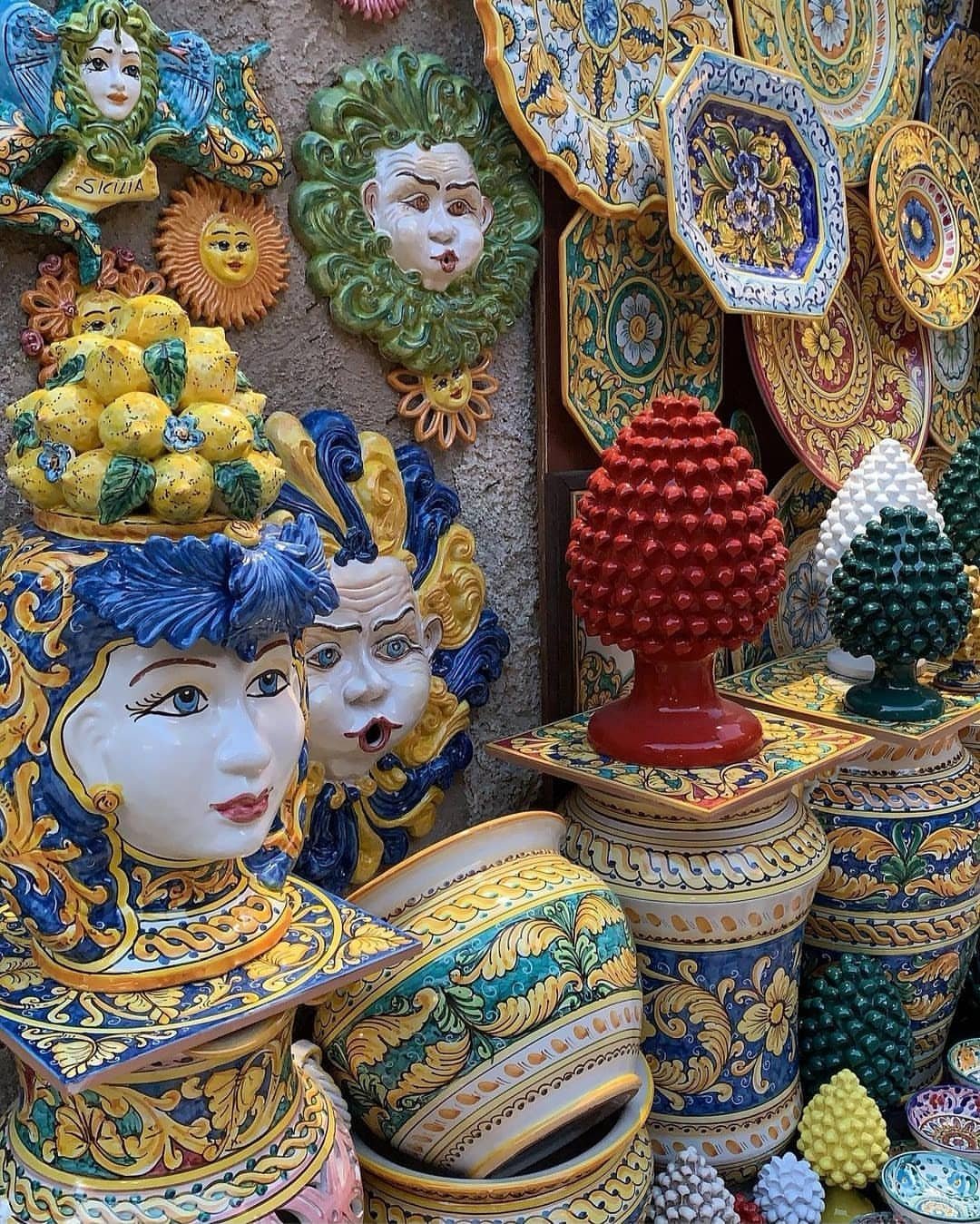
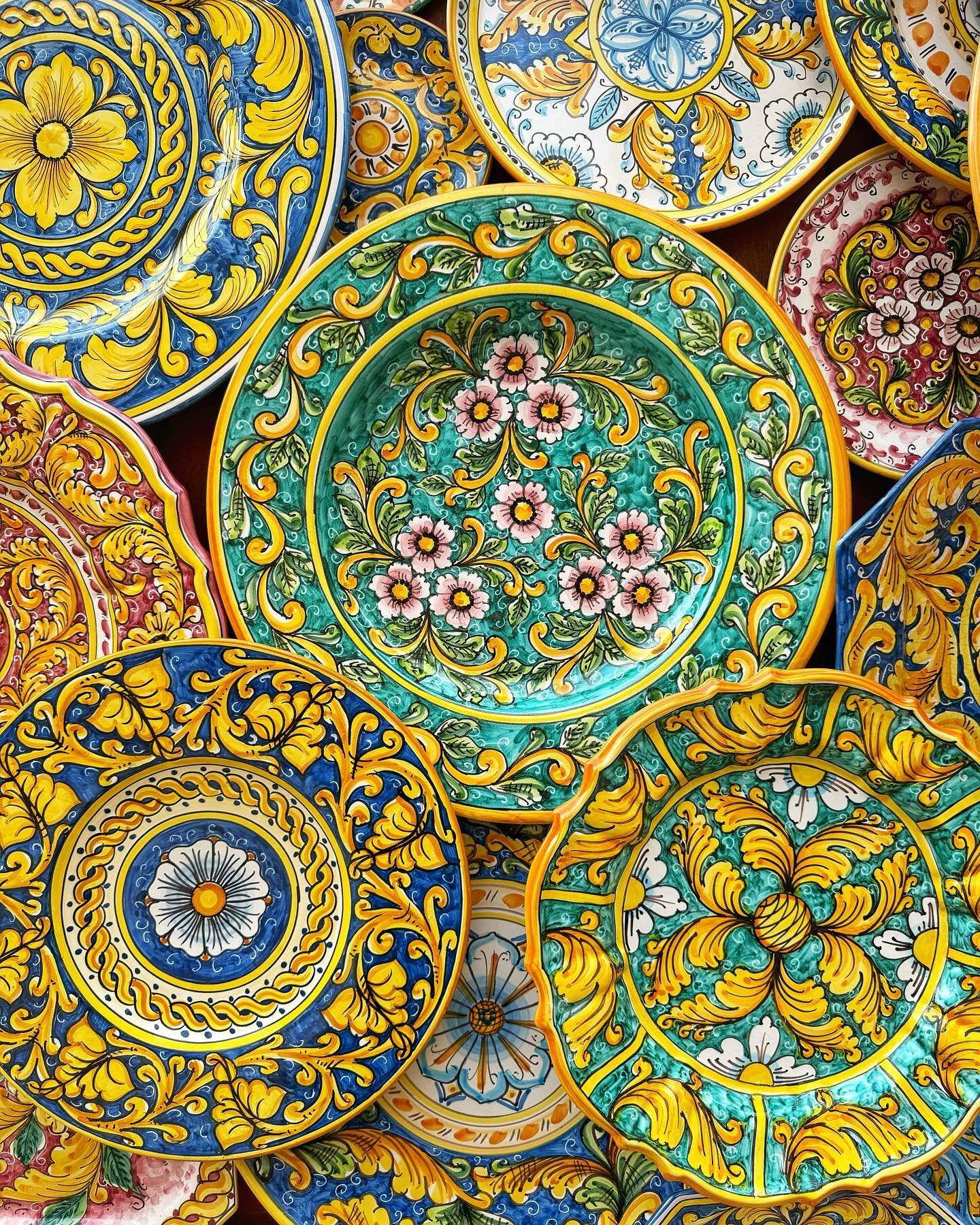
Some islands you visit. This one you remember.
None of it requires a crowded itinerary. Sicily rewards the gaps between plans — the espresso taken standing, the detour you did not mean to make, the hour you gave away to a view.
Come for the island. Leave with its secrets.
Words: @quiet.livingjournal. Additional imagery from the Quiet Living Journal archive.