Rome Unseen
The city behind the city — an emperor’s buried palace, a cardinal’s private marbles, and the hour when the angels catch the last light.
An emperor’s palace, sixty feet under.
After Nero died, Rome tried to forget him. His Golden House — a palace so vast it swallowed a third of the city — was stripped, filled with earth, and built over, until even its name was lost. What was meant as an erasure became a time capsule.
Today you descend into it wearing a hard hat, the air cooling with every step. Frescoed vaults rise overhead exactly where Renaissance artists once lowered themselves on ropes by torchlight; Raphael copied what he saw here, and the word “grotesque” was born in these grottoes. In the octagonal hall, a single eye of light falls from the world above.
Openings are limited, groups are small, and the city overhead keeps its distance. Few tickets in Rome buy this much silence.
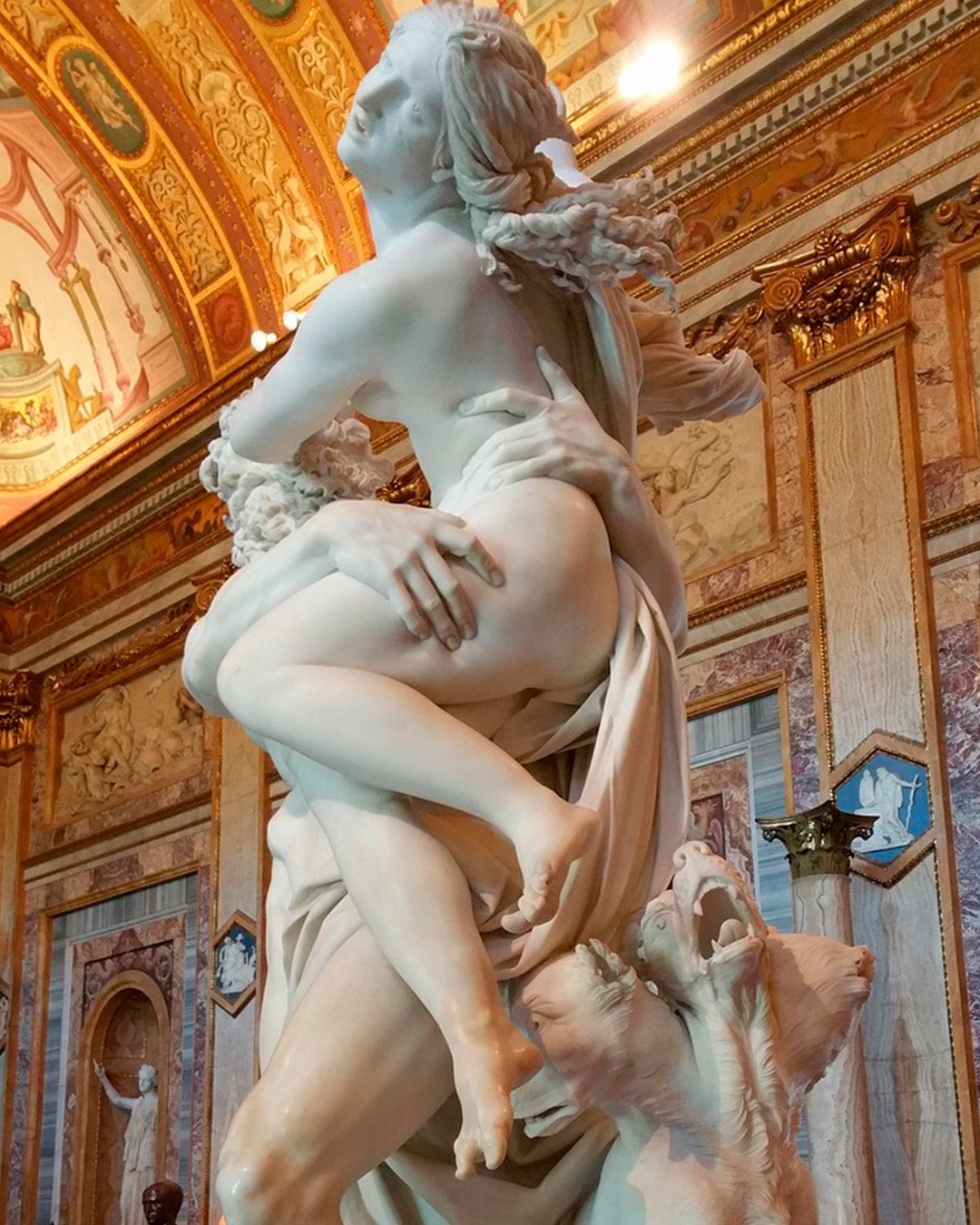
Marble that forgot it is stone.
In 1621, a twenty-three-year-old Bernini carved a hand pressing into a thigh — in marble — and sculpture has never quite recovered. The Galleria Borghese holds that piece, and the Apollo and Daphne, and six Caravaggios, in the villa of the cardinal who commissioned them.
This was never a museum. It was one man’s private paradise of beauty, and it still behaves like one: entry is by timed reservation, visitors are counted, and the rooms stay quiet enough that you can hear your own steps on the marble.
Two hours inside, then the gardens. It is the most civilised morning Rome has to offer.
See the Sistine the way it was painted to be seen.
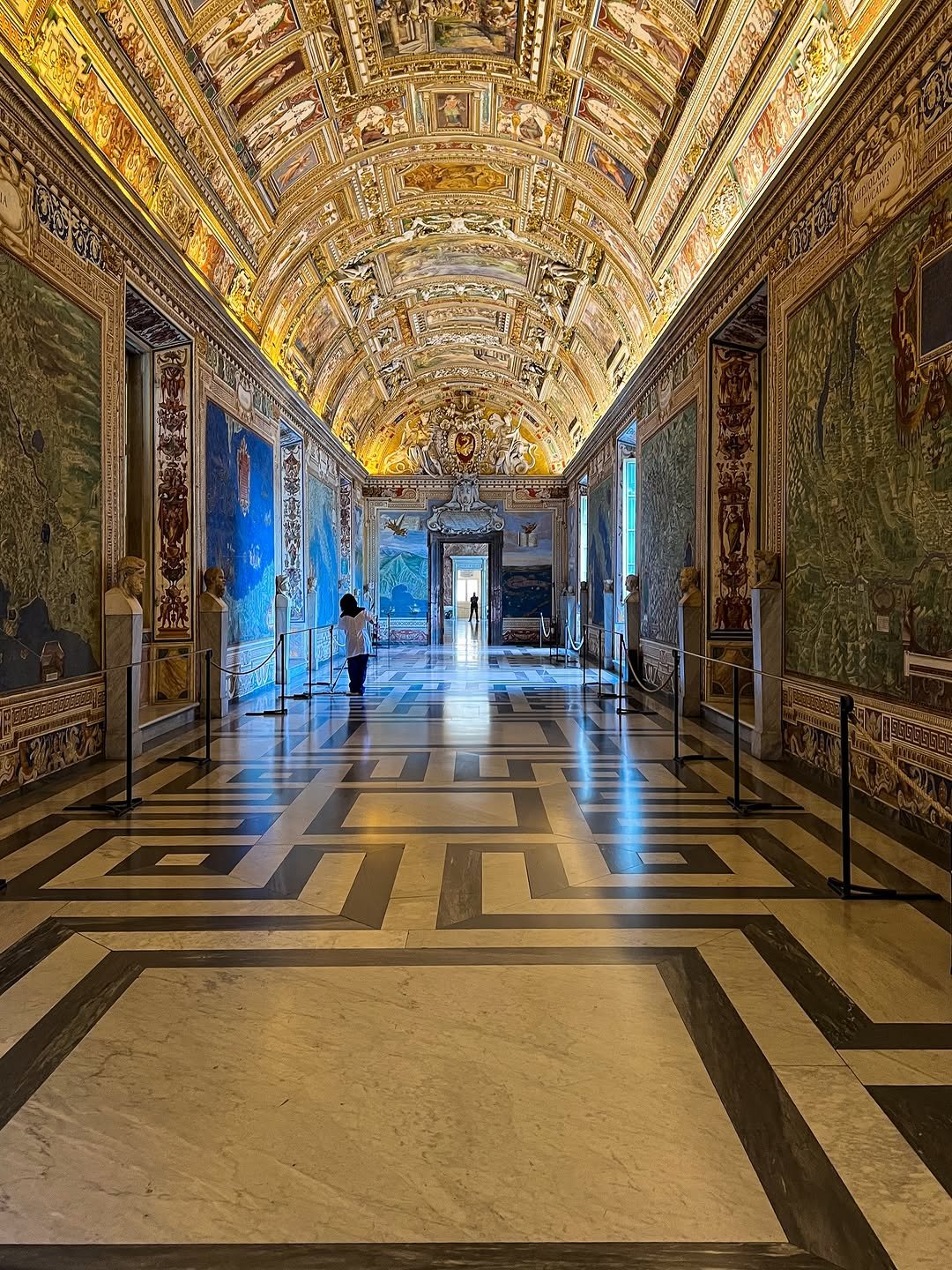
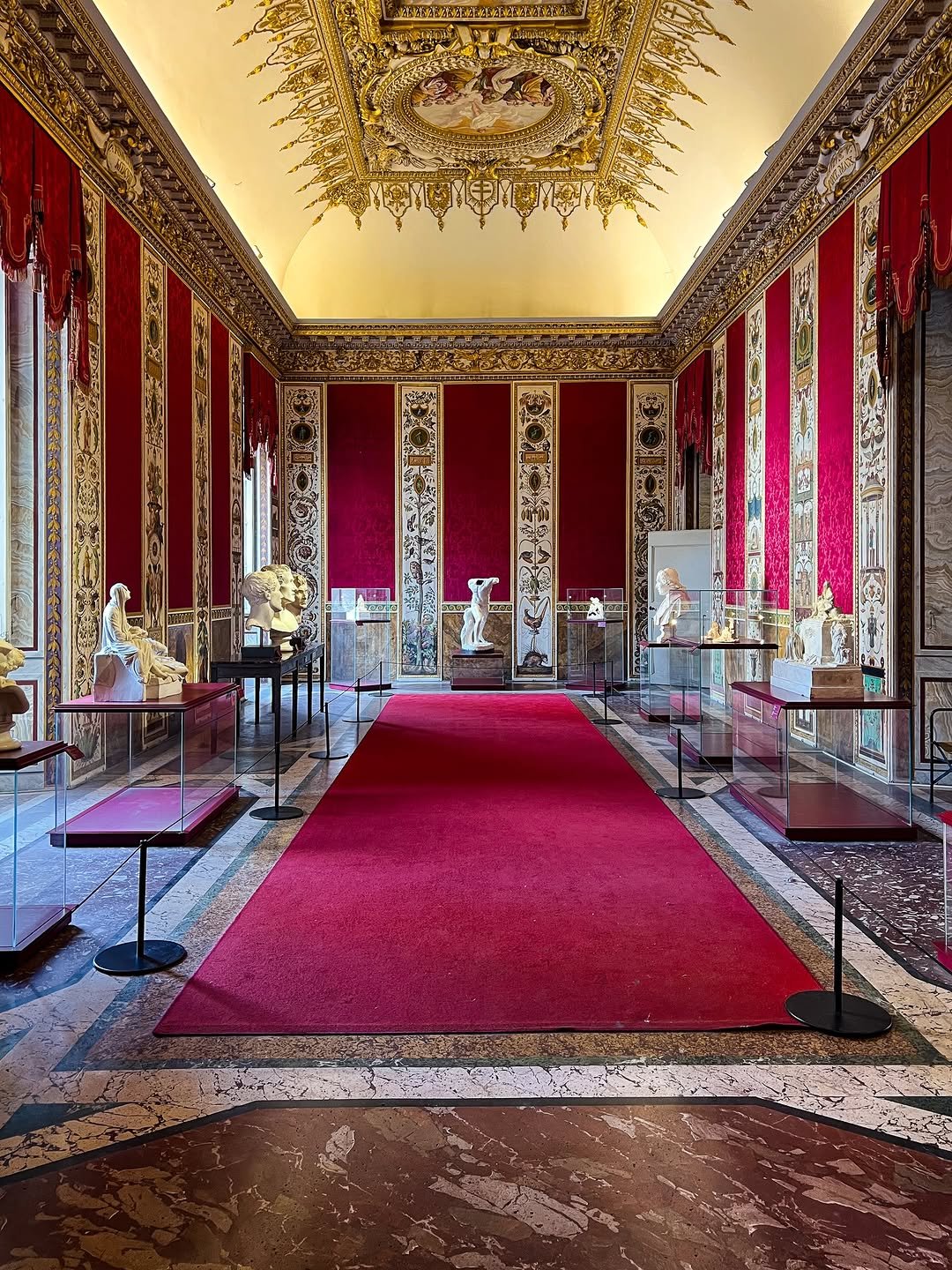
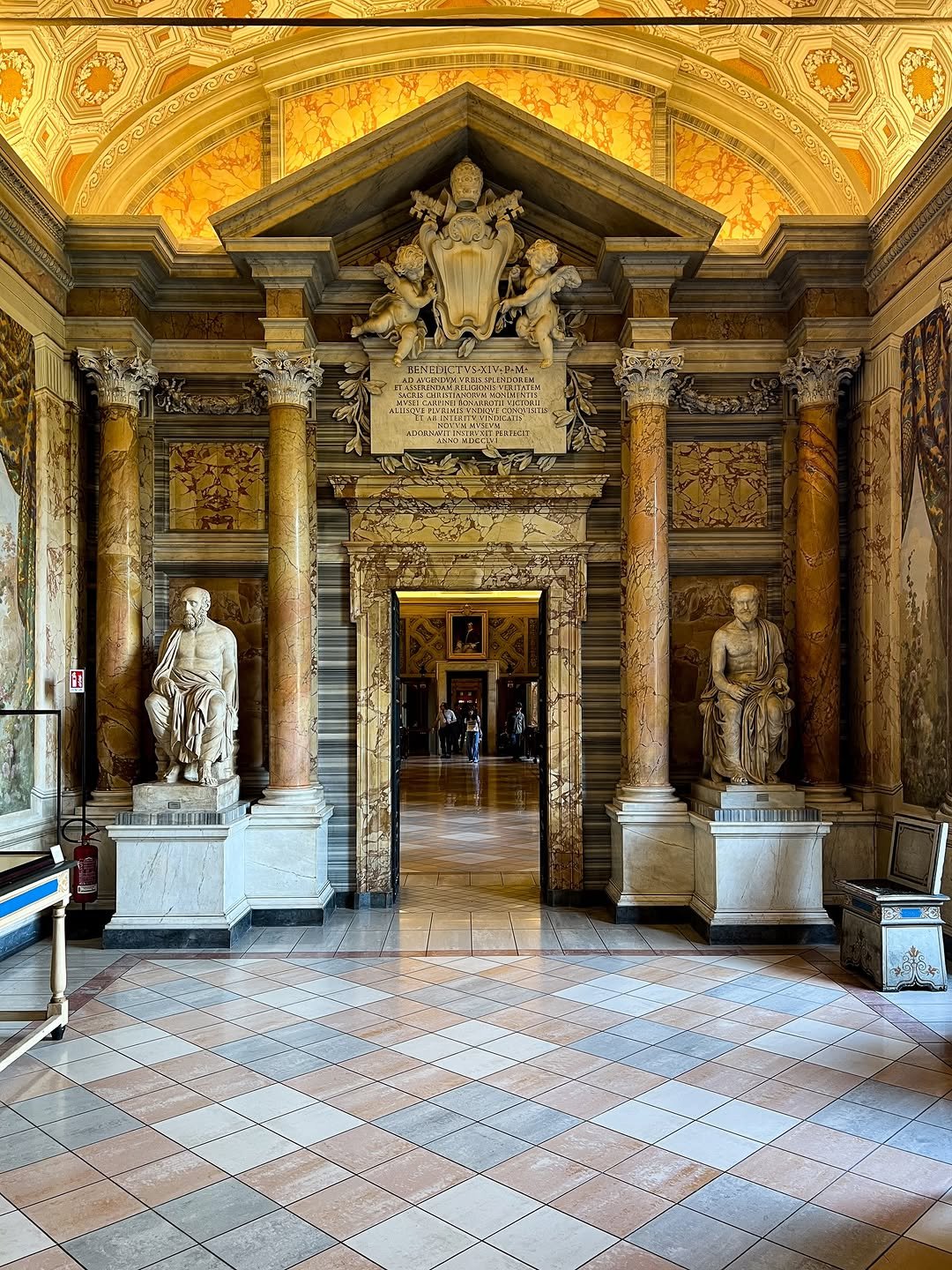
The Vatican Museums are seven kilometres of corridors, and the crowds use one of them. Arrive with the right guide and you take the others: the Gallery of Maps glowing gold before the day warms up, the red-walled cabinet rooms, marble emperors with nobody left to watch them back.
Every corridor leads to the same door. Beyond it, Michelangelo — who insisted he was a sculptor, not a painter — spent four years standing on a scaffold, head tilted back, and complained about it in a sonnet. What he left behind changed what painting was allowed to attempt: the Creation of Adam, the sibyls and the prophets, and, twenty-five years later on the altar wall, the Last Judgment of an older, angrier man.
The guided morning ends beneath the dome of Saint Peter’s, a few steps from the Pietà, carved when he was twenty-four and already done arguing with marble.
The crowds will still be there. They will simply have become background.
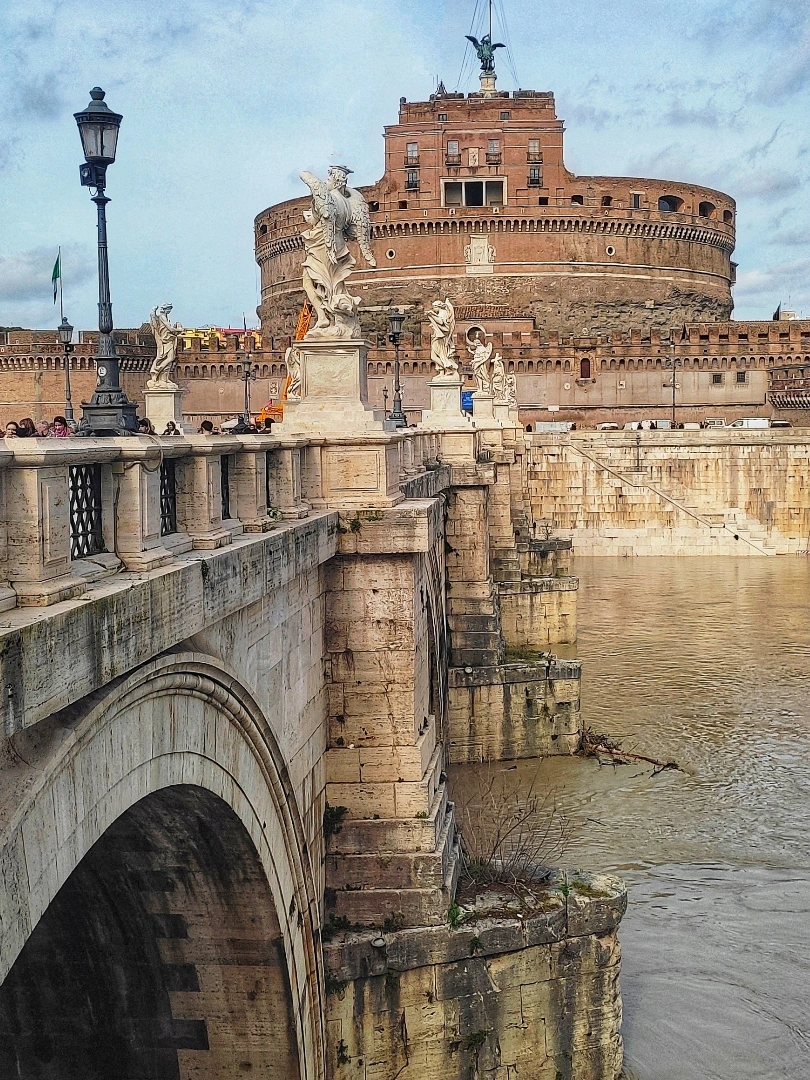
The fortress that watched Rome change its mind.
It began as an emperor’s tomb. It became a fortress, a prison, a papal refuge with a secret corridor running straight to the Vatican — and, somewhere along the way, the best terrace in Rome.
Climb through two thousand years of repurposed history and come out on the ramparts as the light goes low. The Tiber curls below, the bridge of angels holds its marble procession, and the dome of Saint Peter’s turns from white to gold.
Rome has grander monuments. It has none with a better view of all the others.
Book the essentials before you land.
The Vatican and the Colosseum reward patience, and timed tickets. A short list of reservations worth making before you go, so nothing but weather stands between you and the marble.
Come for the monuments. Stay for the city underneath.
None of it asks you to hurry. Rome’s finest rooms are the quiet ones — buried, reserved, or sixty metres above the traffic — and they have been waiting longer than anyone alive.
Rome does not show itself. It lets you find it.
Words: @quiet.livingjournal.