Venetian Drift
A city built to be lost in.
Venice was never meant to be walked in a straight line
There is no shortest way anywhere in Venice. Every calle bends before it commits, every bridge answers a canal you did not know was there. The city was built this way on purpose, or by accident of water, and either way it has never seen a reason to apologise for it.
The secondary canals carry none of the traffic of the Grand Canal, only the sound of a single oar, or nothing at all. Facades lean at angles too old to correct, their plaster the colour of rust and dried rose, patient with a tide that keeps touching them and pulling away.
To visit well is mostly a matter of stopping checking the map. What follows is the short list of things worth breaking the drift for.
The Rooms Behind the Rooms
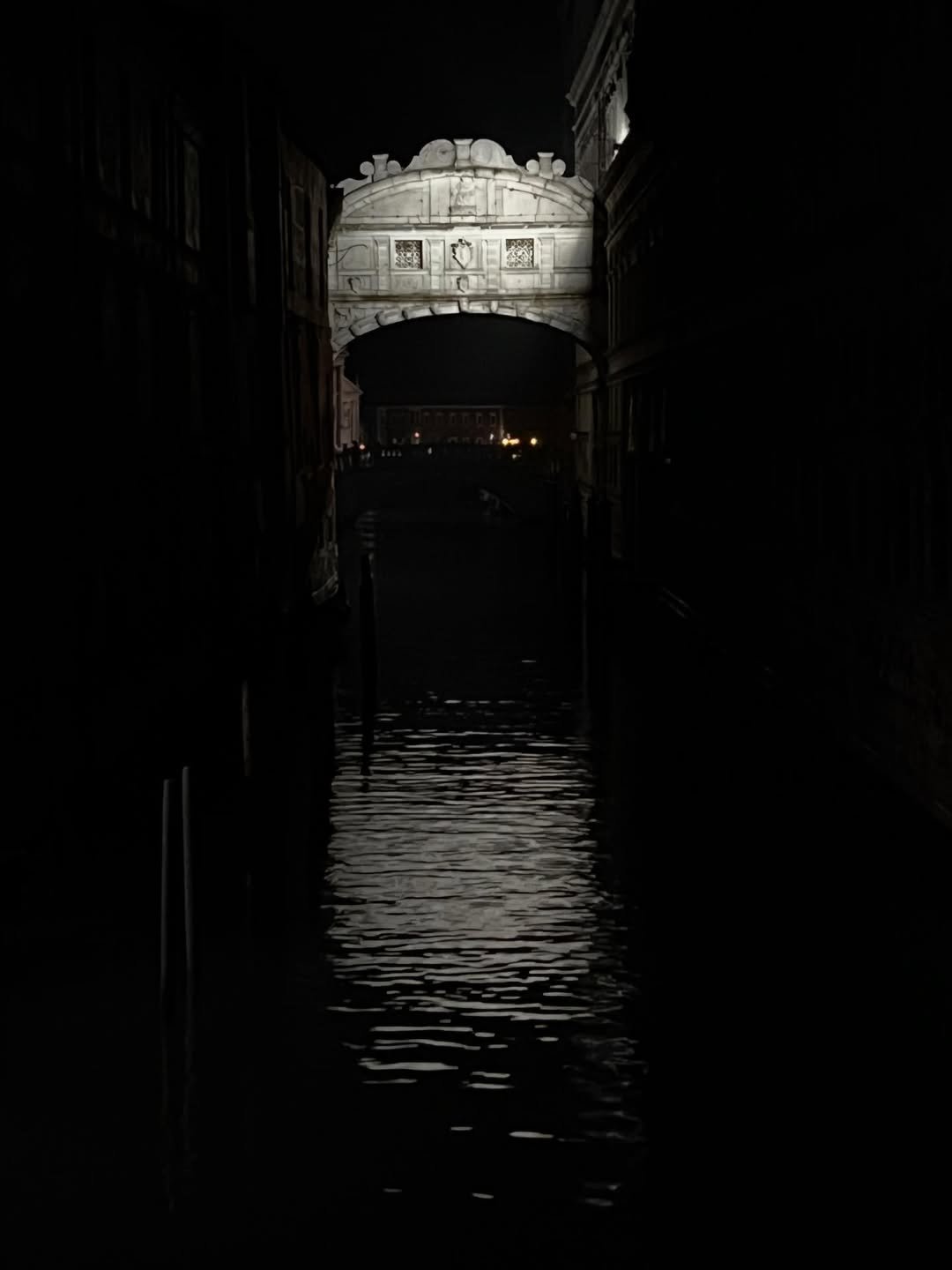
Every visitor to the Doge’s Palace walks the same marble. The Giants’ Staircase, the Hall of the Great Council, the largest oil painting in the world hanging above a room built to make men feel small. What almost nobody walks is the second palace hidden behind it.
Behind those gilded walls runs a warren of low wooden rooms where the republic actually worked. The chancellery where its secrets were filed. The interrogation chamber. The Piombi, the lead cells set directly under the roof, unbearable in summer and famous for exactly one thing: in 1756 Casanova went up through the ceiling and out across the tiles, the only prisoner ever to leave without permission.
The Secret Itineraries tour is the only ticket that opens those doors, and it goes in small groups, which is the whole reason it still feels like trespassing.
If the stone palace belongs to the sixteenth century, there is another one on the Grand Canal that belongs to the twentieth. Palazzo Venier dei Leoni never got past its ground floor because the money ran out. It is now the Peggy Guggenheim Collection, and it is the best small museum in the city.
Eight Thousand Square Metres of Gold
The mosaics of Saint Mark’s cover something close to eight thousand square metres of vault and dome, and they were never made to be read. They were made to be stood under, in the half dark, while gold tesserae set at deliberately crooked angles catch whatever light is going and hand it back to you in pieces.
Behind the high altar sits the Pala d’Oro, a Byzantine altarpiece worked over four centuries and set with close to two thousand stones. Most people file past it in ninety seconds. A guide is the difference between a golden blur and knowing which of those enamels came off a ship from Constantinople.
Go with someone who can point, and the ceiling stops being decoration and starts being an argument the city was making about itself.
Small Glasses, Smaller Plates
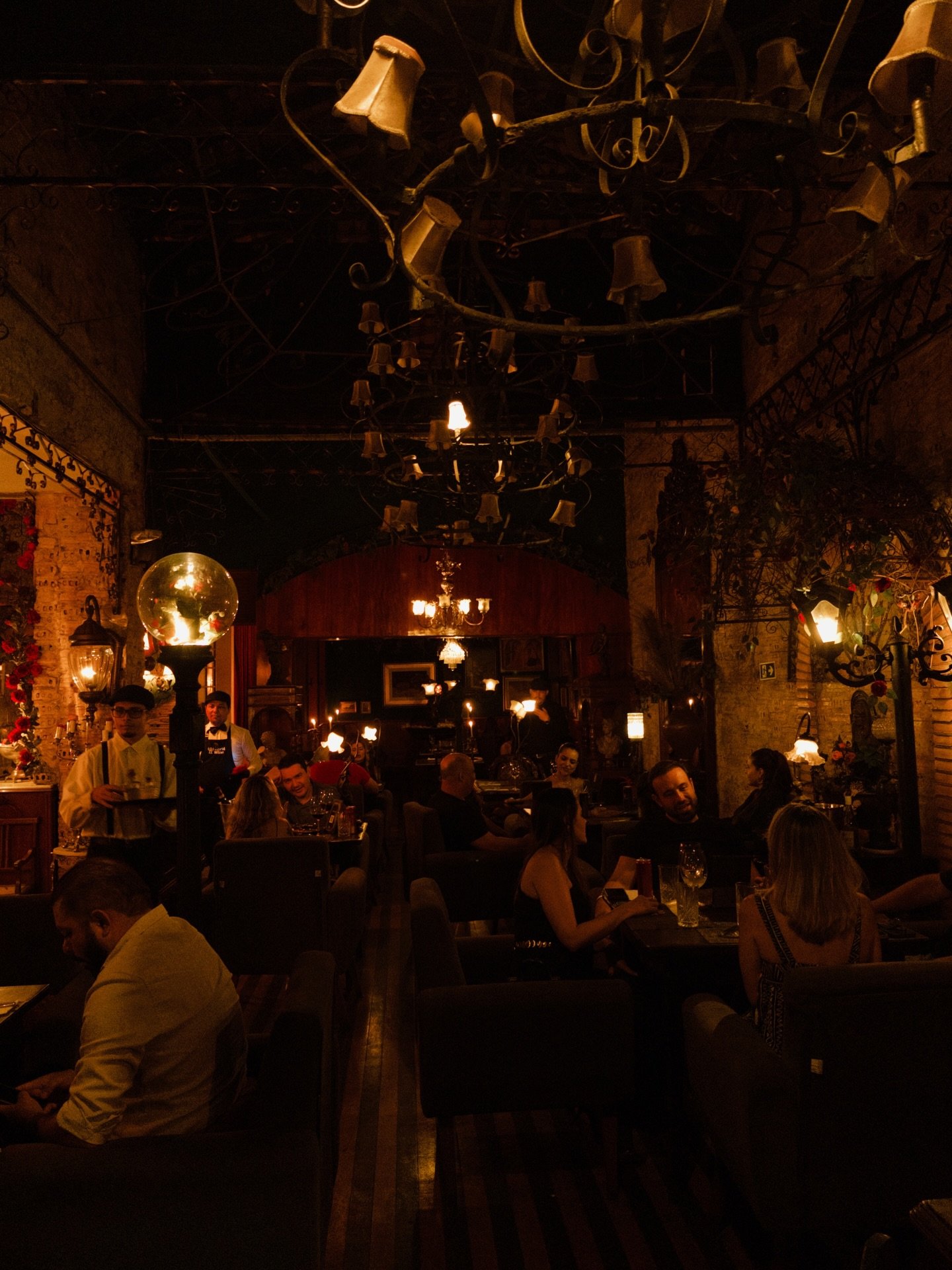
Venetians do not really keep happy hour. They keep the ombra, a small glass of wine named, some say, for the shade of the campanile where wine sellers once parked their barrels to stay cool. It begins standing at a counter and it rarely ends there.
The cicchetti arrive without ceremony. Baccalà mantecato on toasted bread. A single anchovy curled over soft polenta. Two bites each, chased by a sip that empties the glass faster than it should. Then somebody finds a table, the room goes low and warm, and the evening turns into dinner without anyone deciding that it should.
Doing it properly means knowing which counters to walk into, in what order, and where to sit once the standing is over. Which is the entire argument for going with someone who drinks there.
When the Light Changes
Somewhere after five the light stops being white and starts being gold, then rose, then a blue that has no real name. The domes catch it first. The water holds it longest.
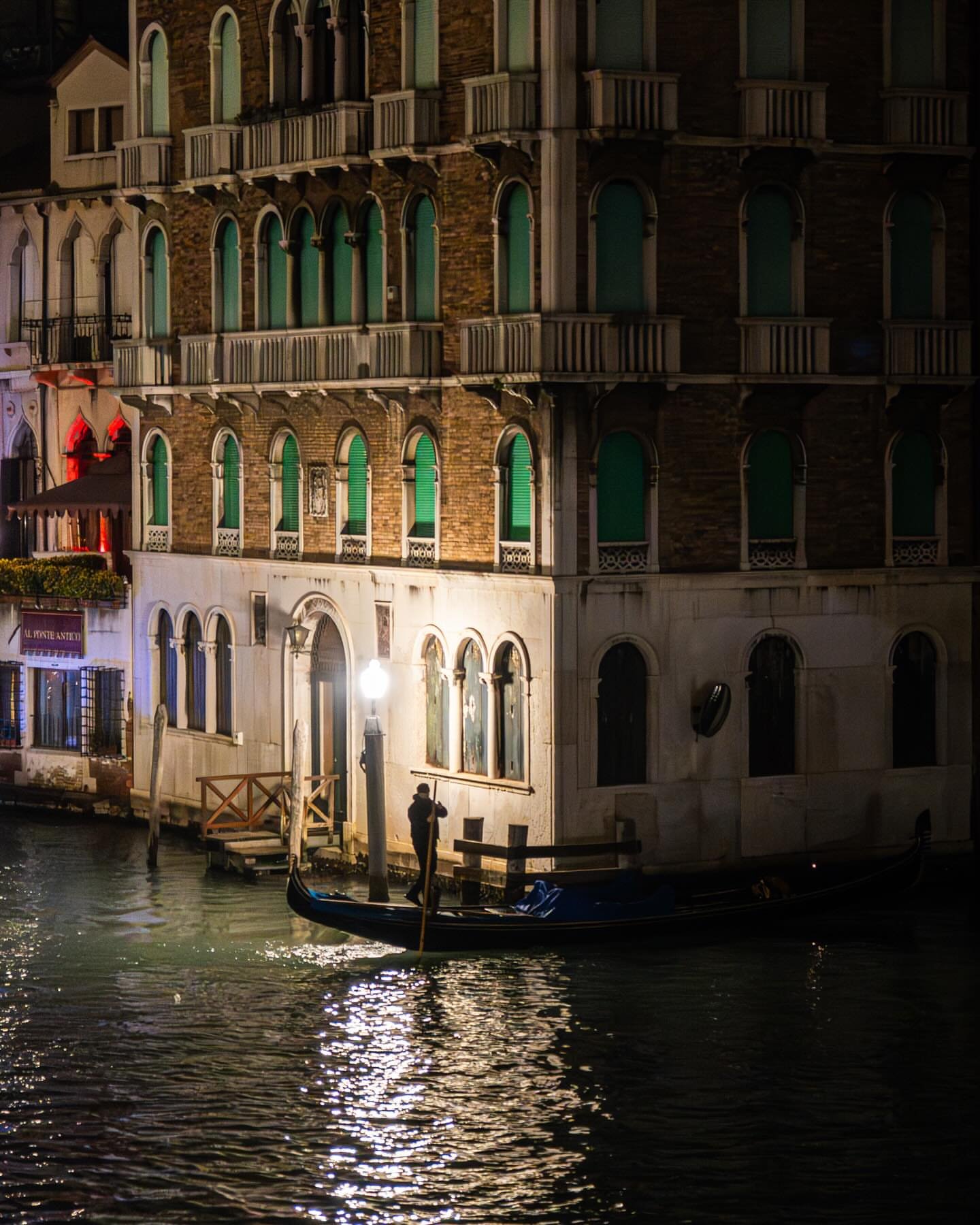
A private gondola at that hour has nothing to do with the queue on the Riva. It is your own boat, your own gondolier, a musician aboard playing for no one but you, and the small canals where the only sounds are the oar and whatever is being sung two feet behind your head. Thirty-five minutes, four people, leaving from the columns on the Piazzetta. Venice invented the cliché and then quietly kept the good version for itself.
Rather have dinner on the water? An old galleon leaves the wharf by candlelight and takes the lagoon slowly, under the stars, with the city sliding past the rail: the Galleon Dinner Cruise. Rather have just the hour and the glass? A sunset boat with chilled sparkling wine circles out and puts you back on shore in the dark.
Venice does not end. It just gets quieter.
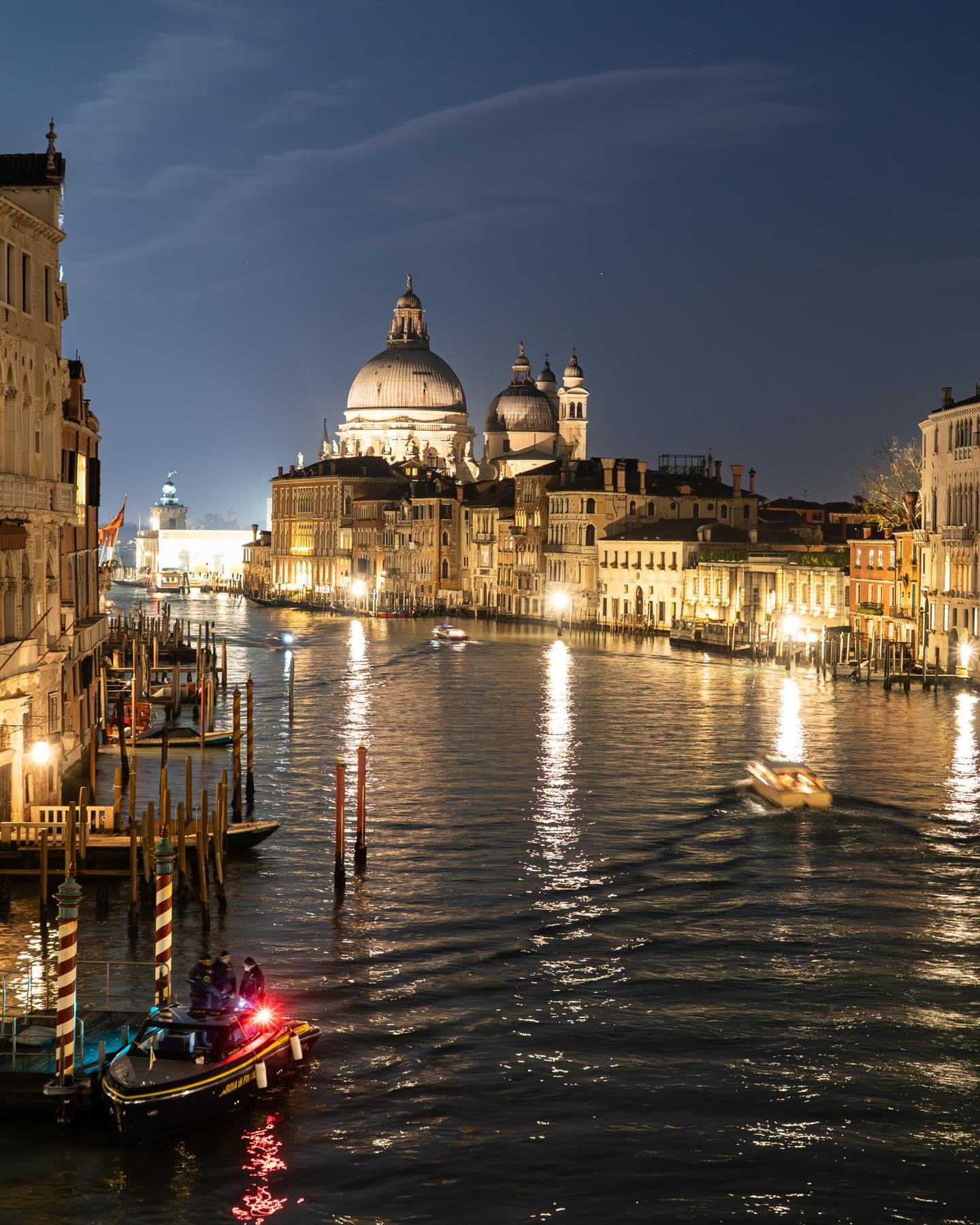
There is no final view of Venice, only the last one you happened to be looking at when the boat turned a corner.
Come to look. Stay to drift.
Words: @quiet.livingjournal.