The Vertical Coast
Where Italy runs out of land and refuses to stop — a road stitched to the cliffs, an island the emperors kept for themselves, and the bay that taught the world to eat.
Forty kilometres of nerve, held up by lemons.
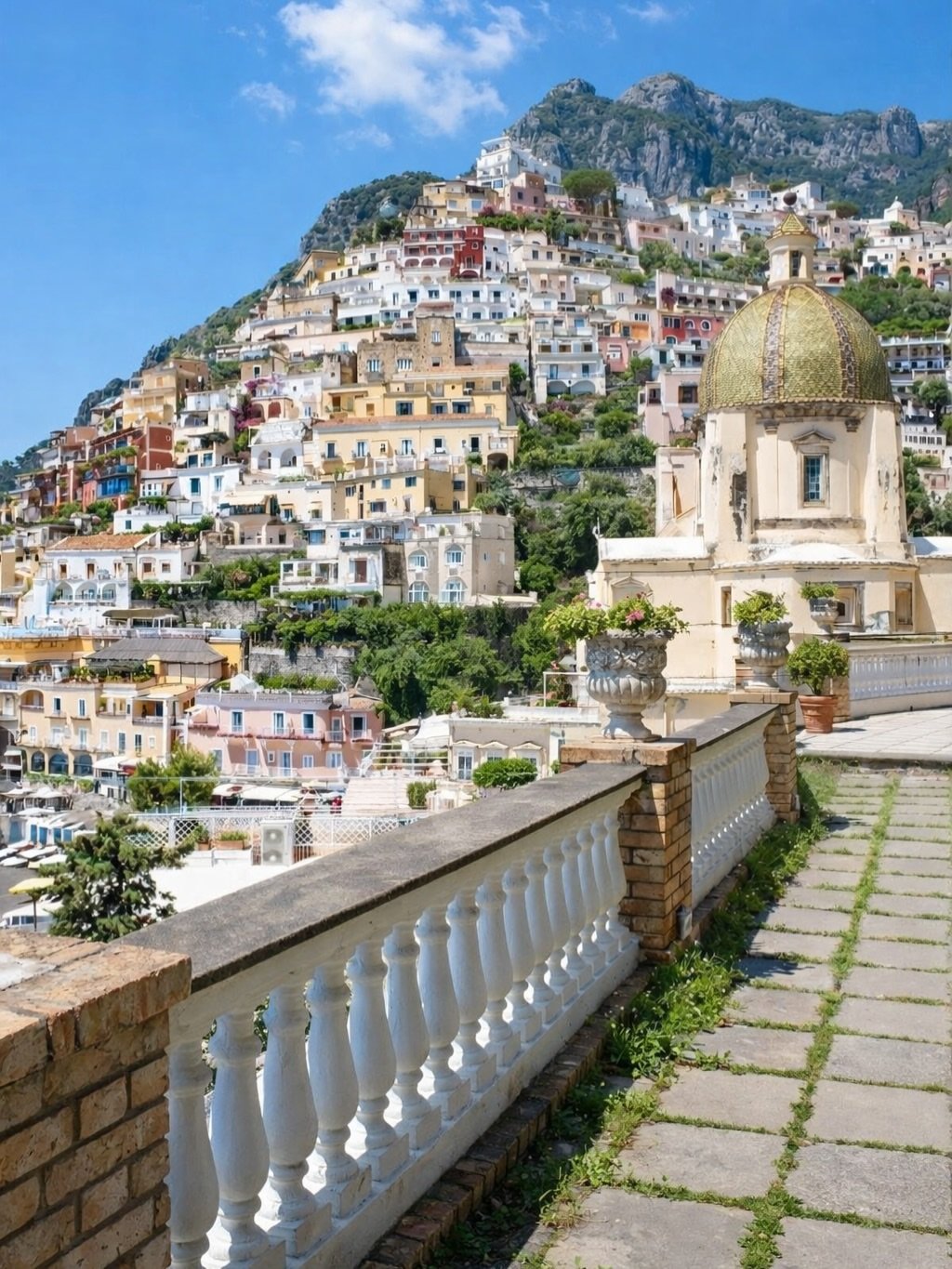
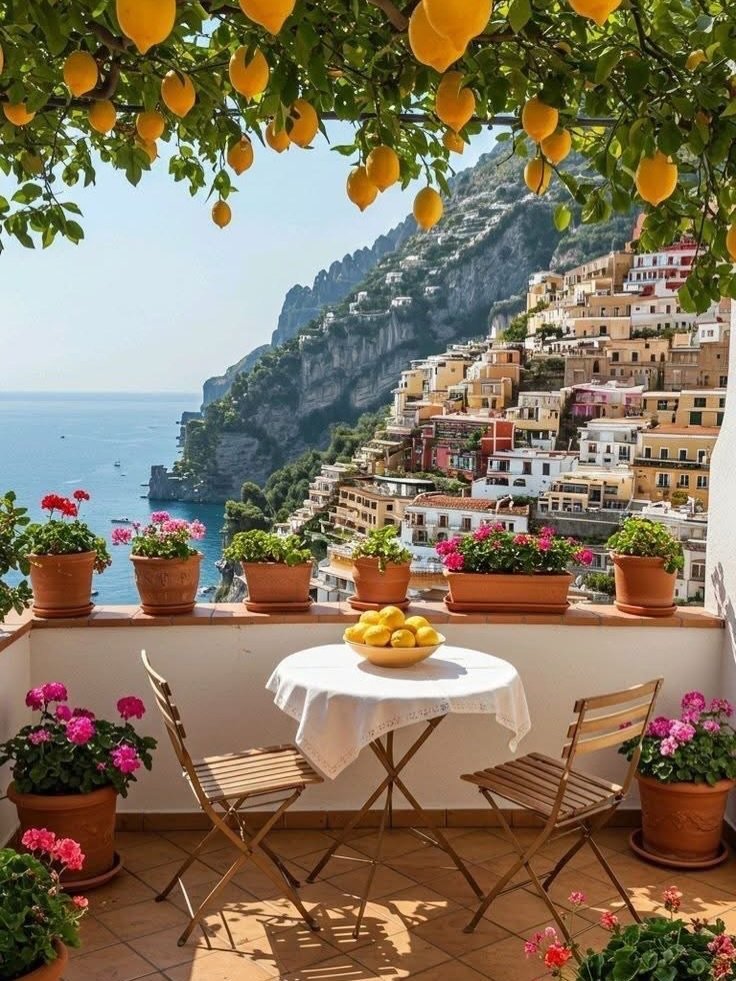
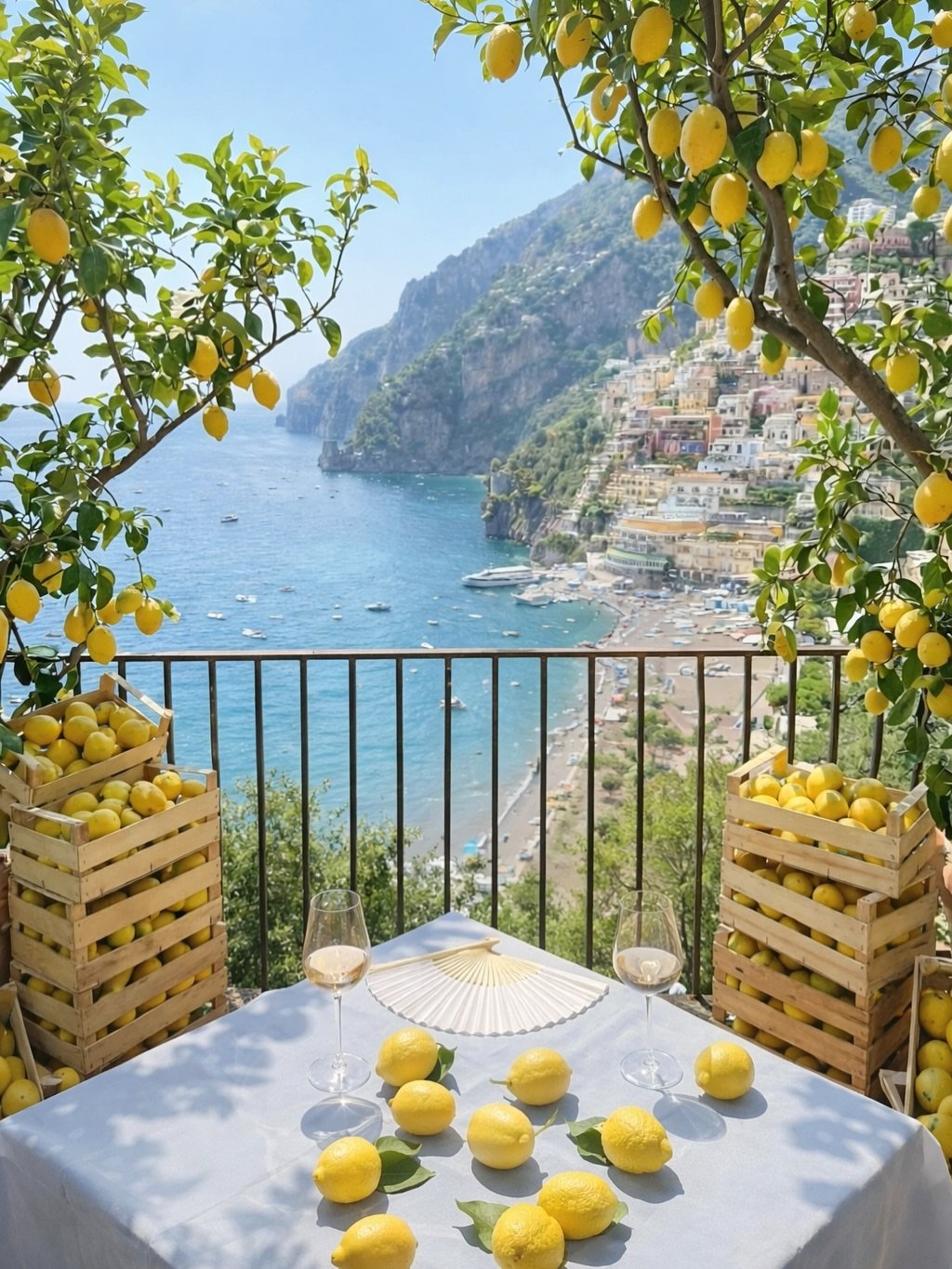
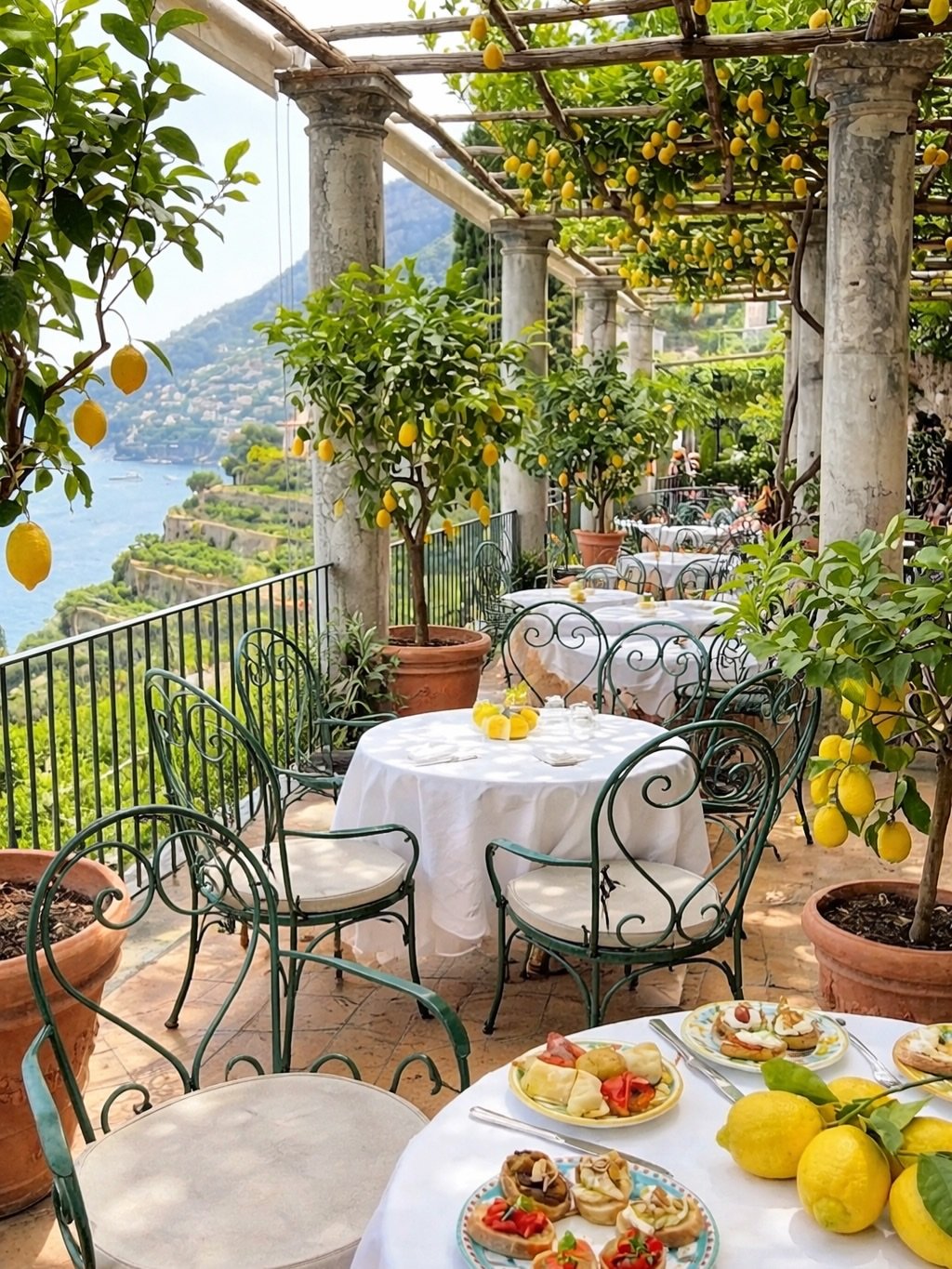
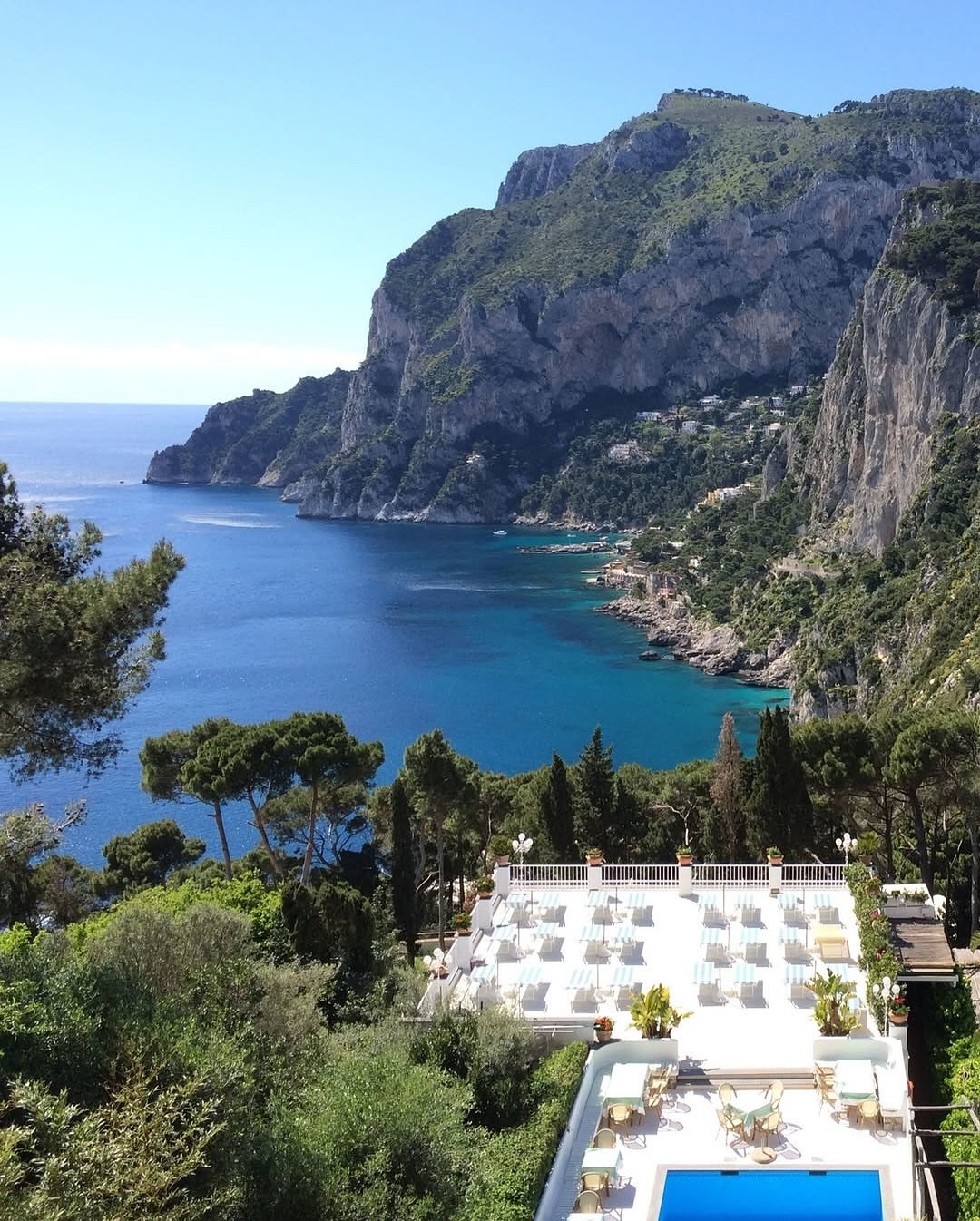
The Amalfi road was blasted into the cliff face in the 1830s, and it has been negotiating with gravity ever since. It hangs between rock and water, ducking through tunnels, leaning around headlands, holding its breath past terraces where lemons grow fat behind chestnut pergolas.
The classic afternoon takes it in a single unhurried arc — Sorrento first, then Positano rising out of the sea like a theatre in session, then Amalfi itself: the maritime republic that once rivalled Venice, compressed into one bright ravine. Sit on the seaward side. Let the driver worry about the corners.
Go late in the day if you can. The light turns copper, the traffic thins, and you roll into Amalfi just as the lamps come on along the water.
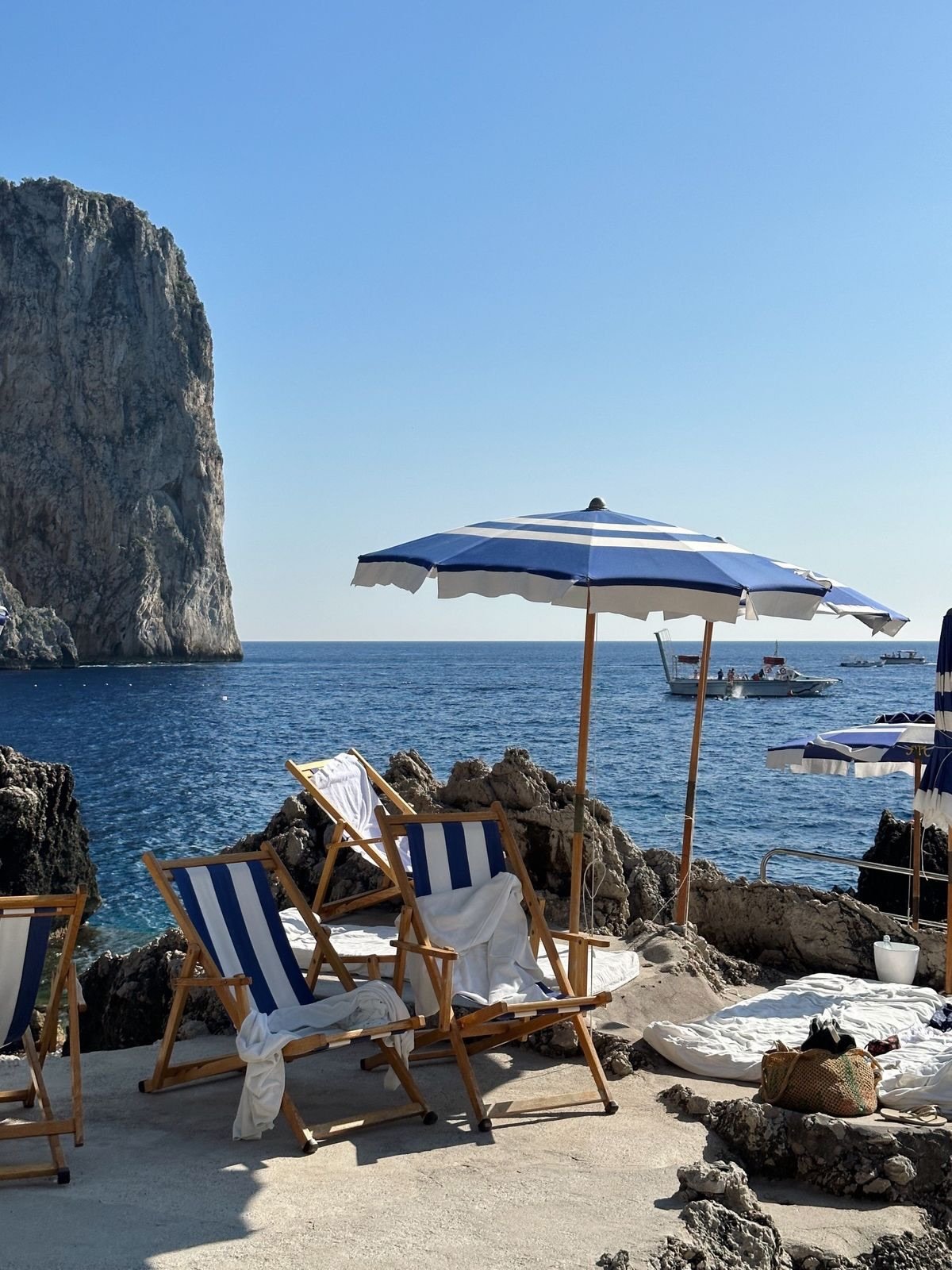
An island with a private education in pleasure.
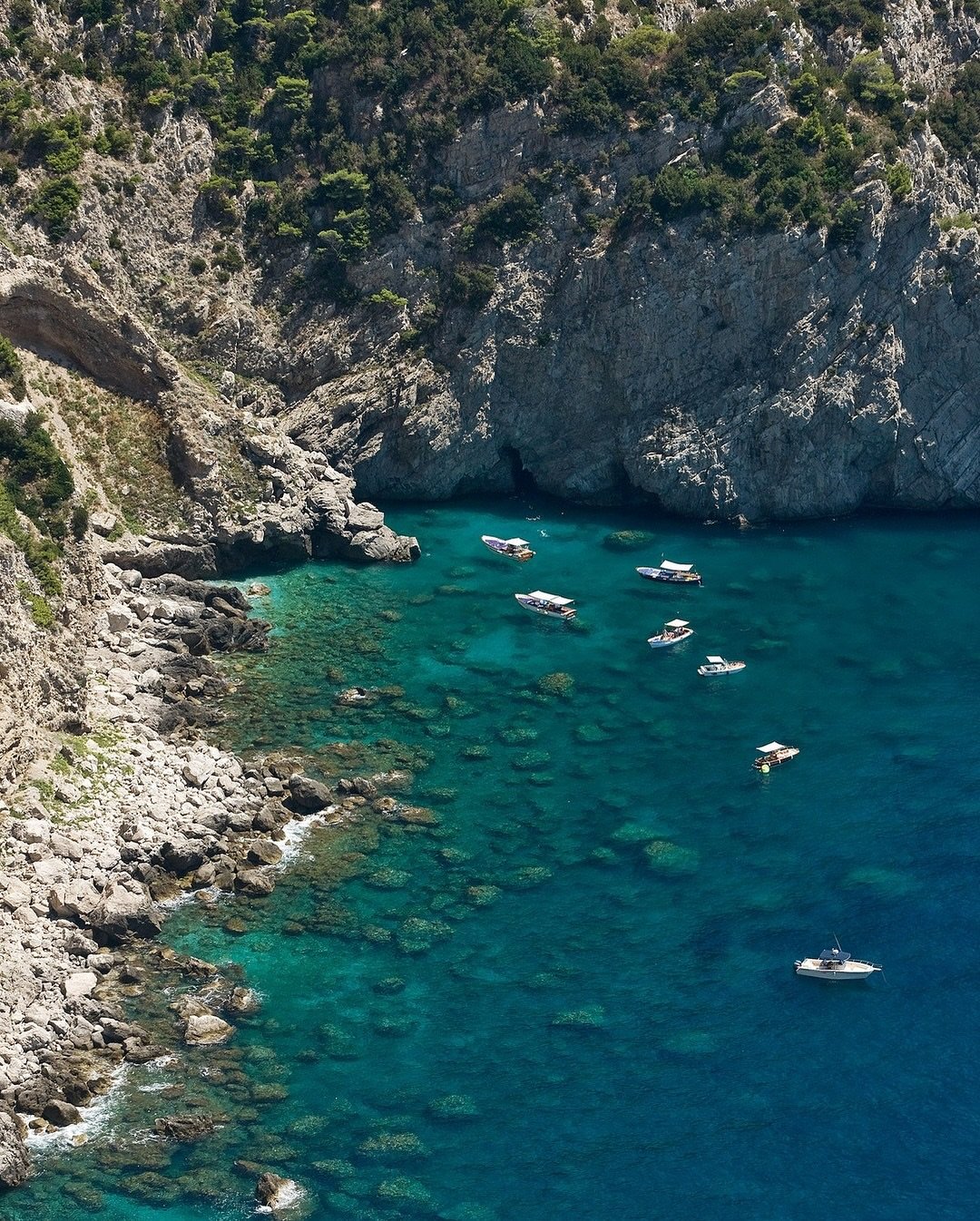
Capri has been teaching visitors how to do nothing beautifully for two thousand years. Tiberius governed the empire from these cliffs for a decade, which tells you everything about the view.
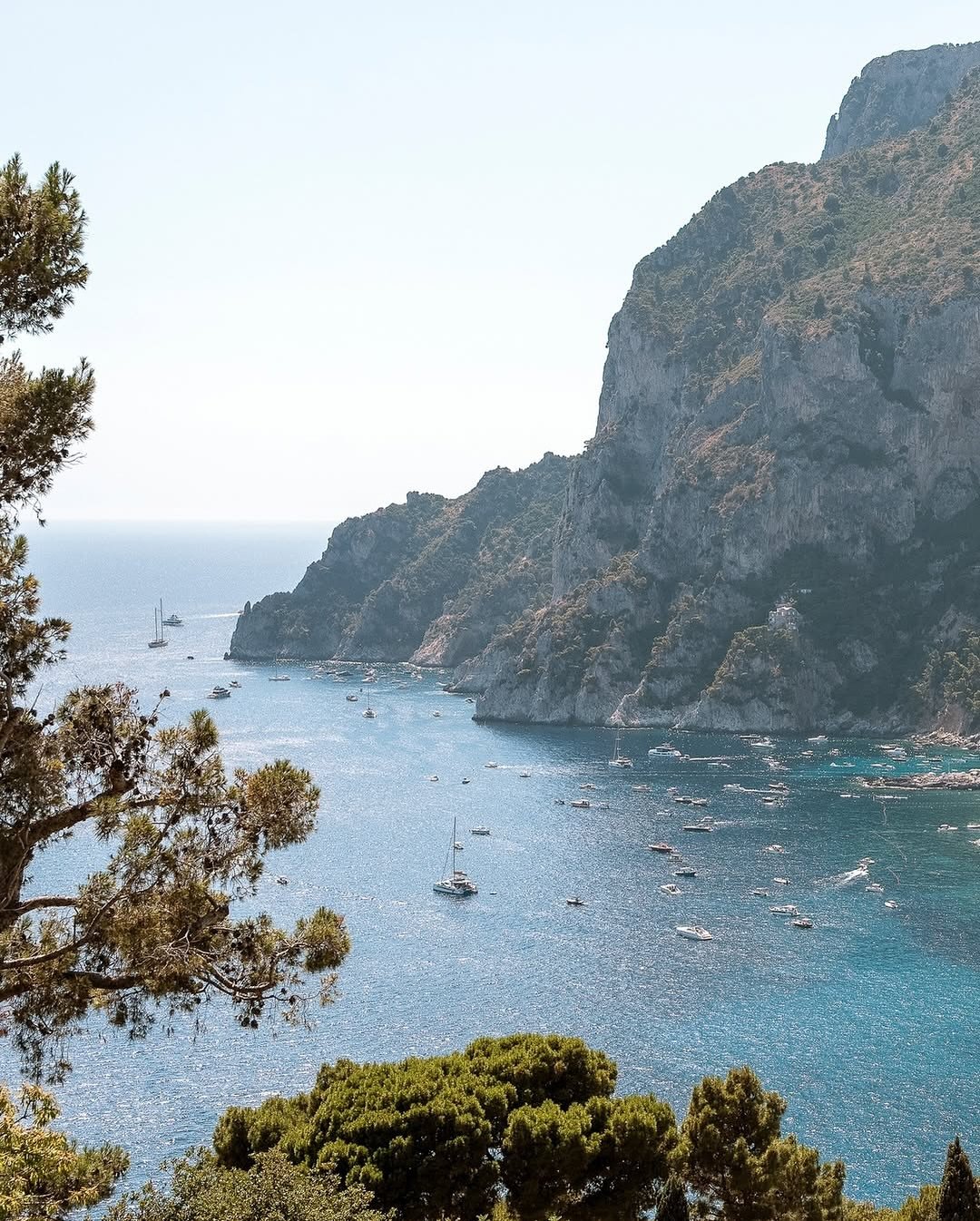
The day runs on a simple rhythm: the hydrofoil across the bay, the switchbacks up to Anacapri and the belvedere at Axel Munthe’s villa, a long lunch, then down to the Piazzetta — four cafés and a clock tower performing the role of a town square — and the Gardens of Augustus, where the Faraglioni stand offshore like three arguments against ever leaving.
Via Camerelle for the committed; the Blue Grotto for the unhurried. Eight hours, properly spent, feel like a week.
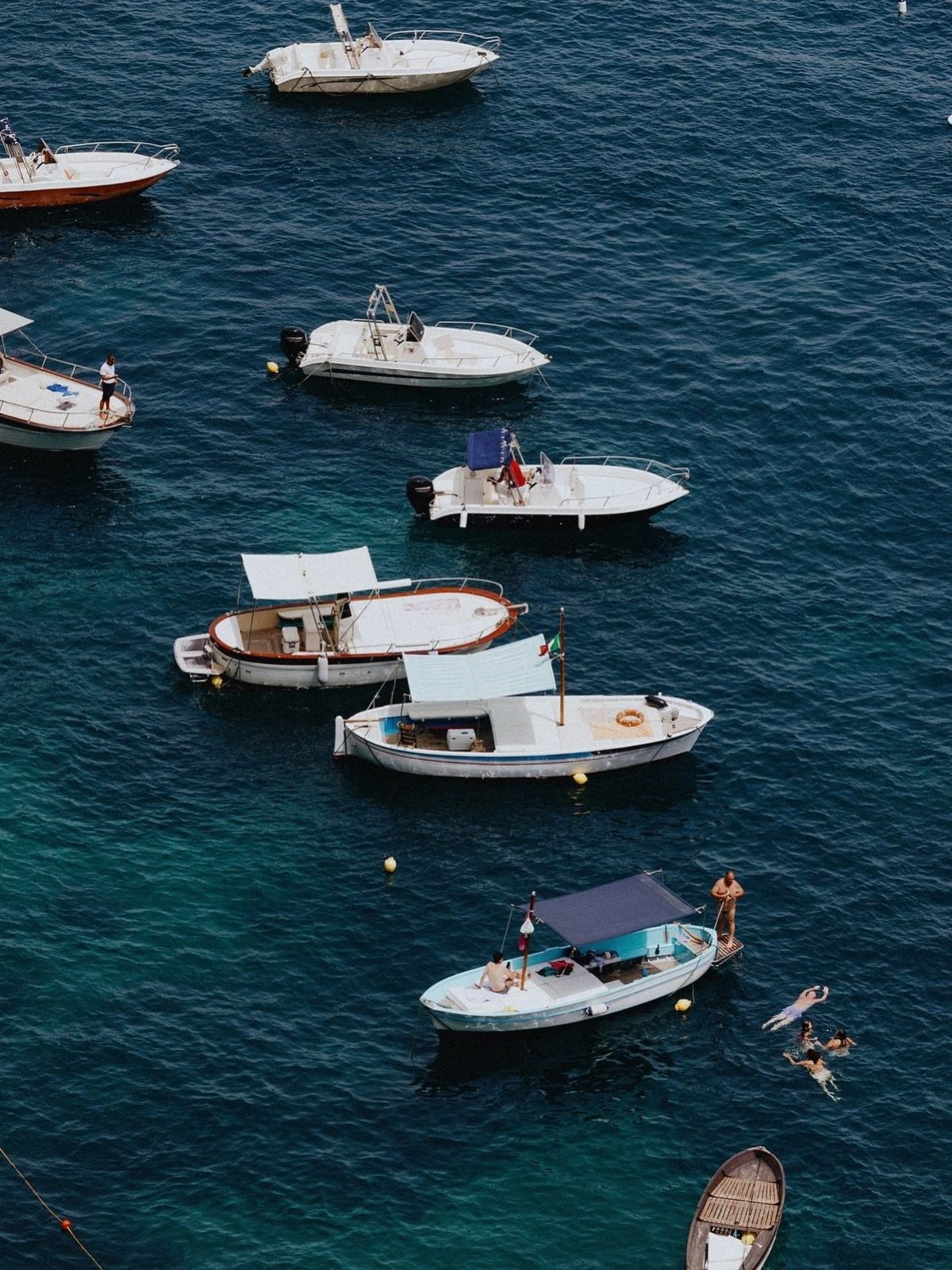
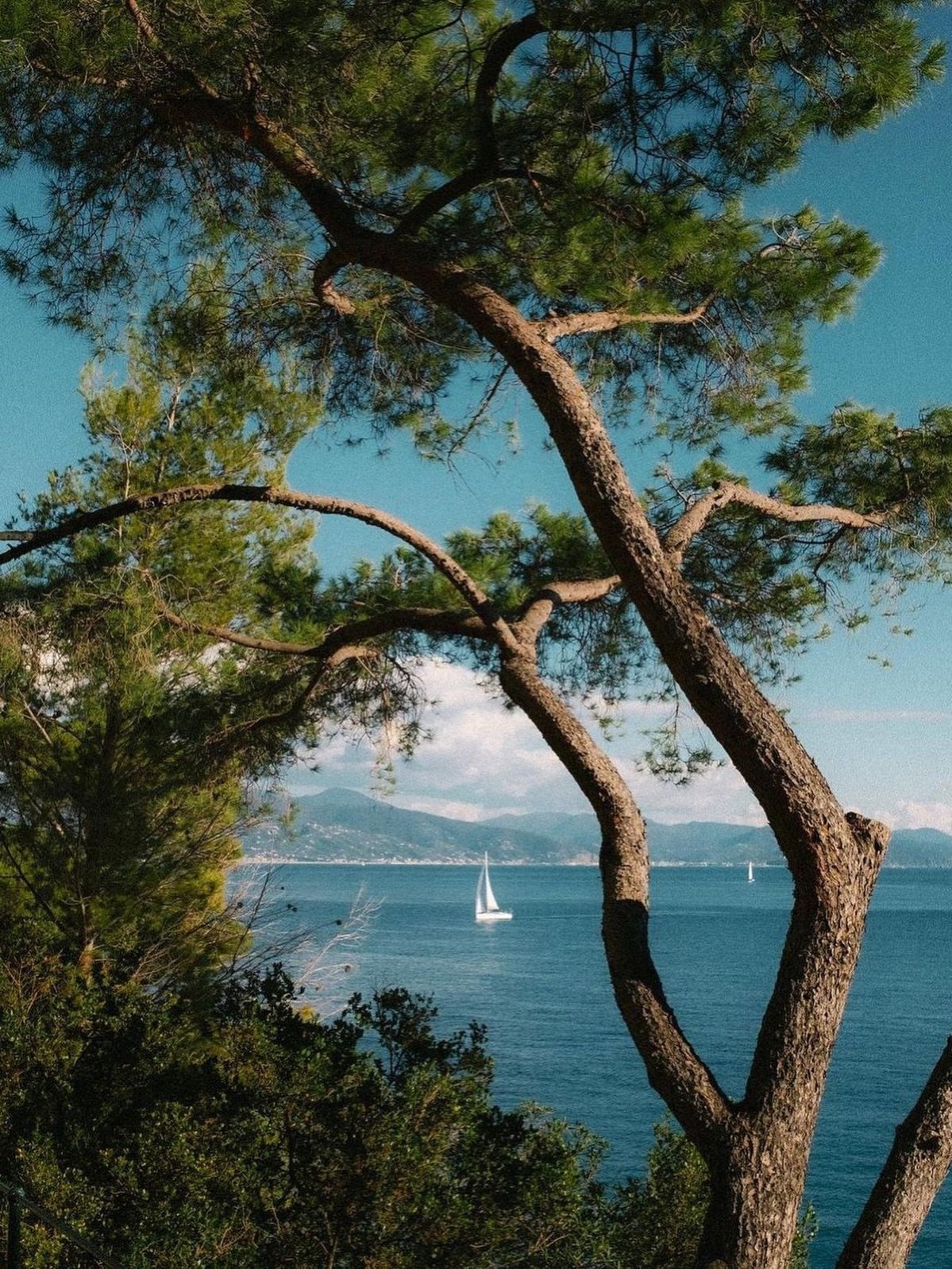
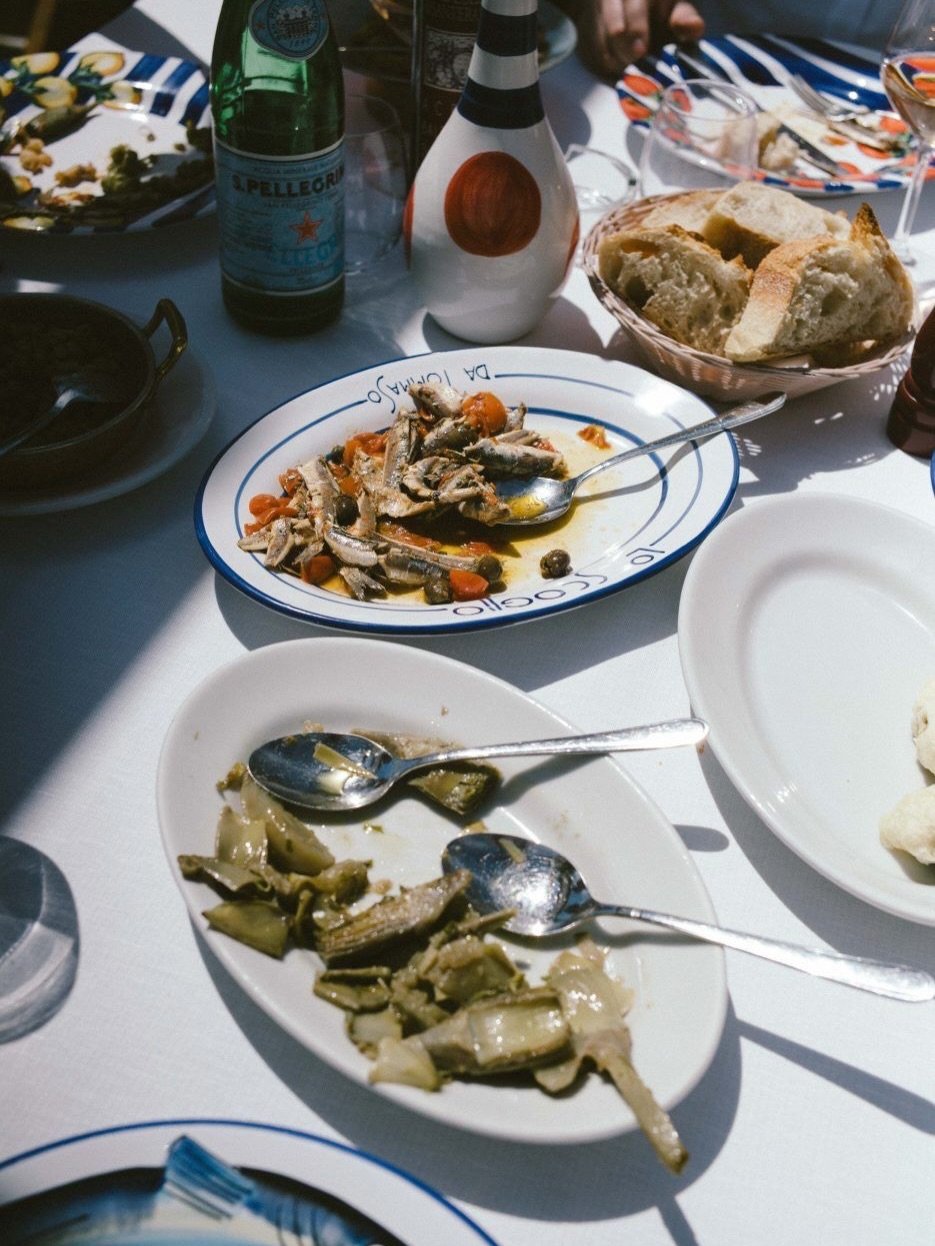
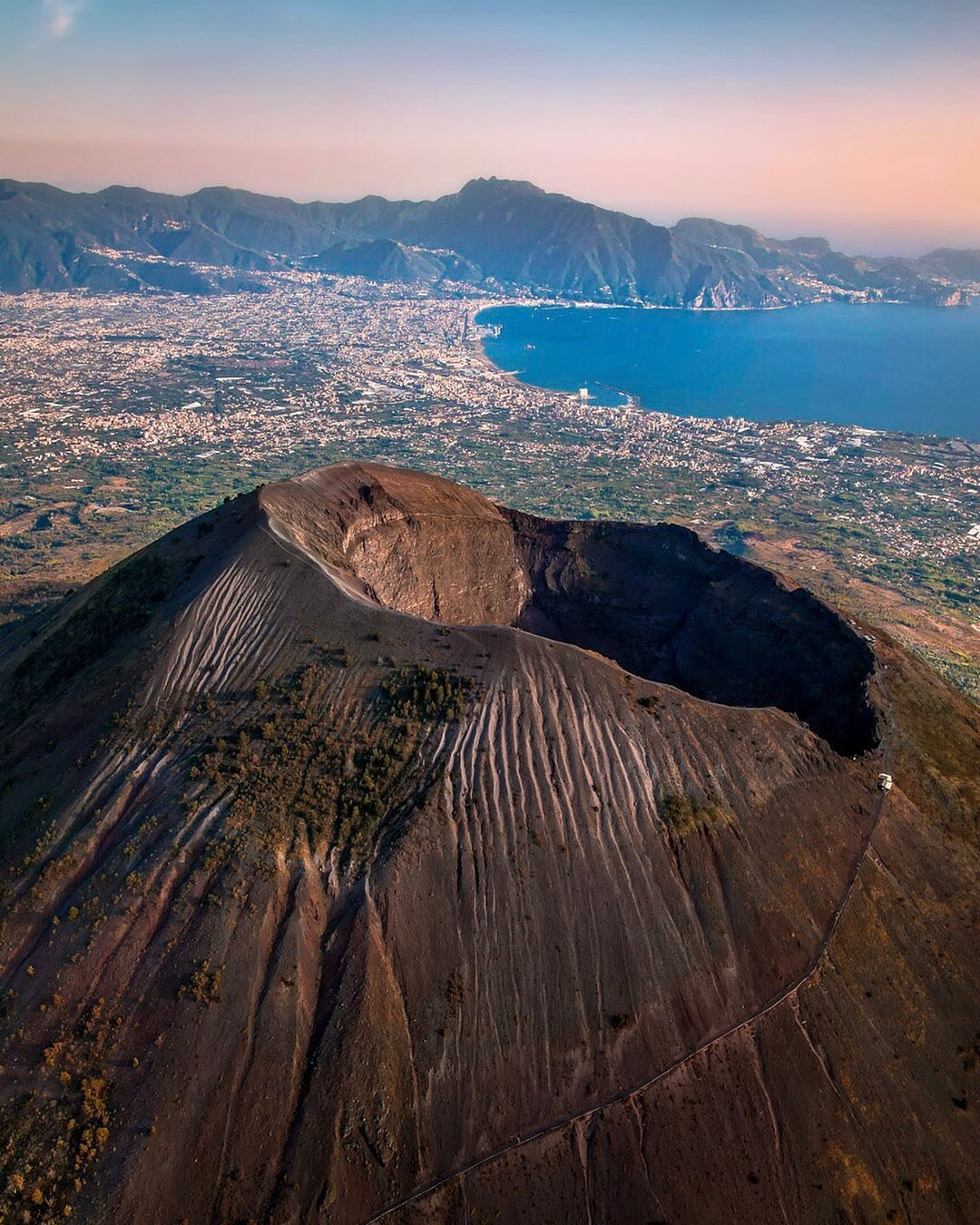
The mountain that stopped time is the calmest thing on the horizon.
Every view on this coast eventually includes it: blue, symmetrical, apparently asleep. In the year 79 it buried Pompeii in a single afternoon — and, in doing so, preserved the only complete Roman city on earth.
You walk streets grooved by cart wheels, past bakeries with their ovens still standing, frescoes still red, election slogans still on the walls. And at the end of every street, framed exactly as it was that morning, the mountain.
The full day pairs the ruins with the crater itself — a slow climb to the rim, where the whole bay lies below like a map of everything else on this page.
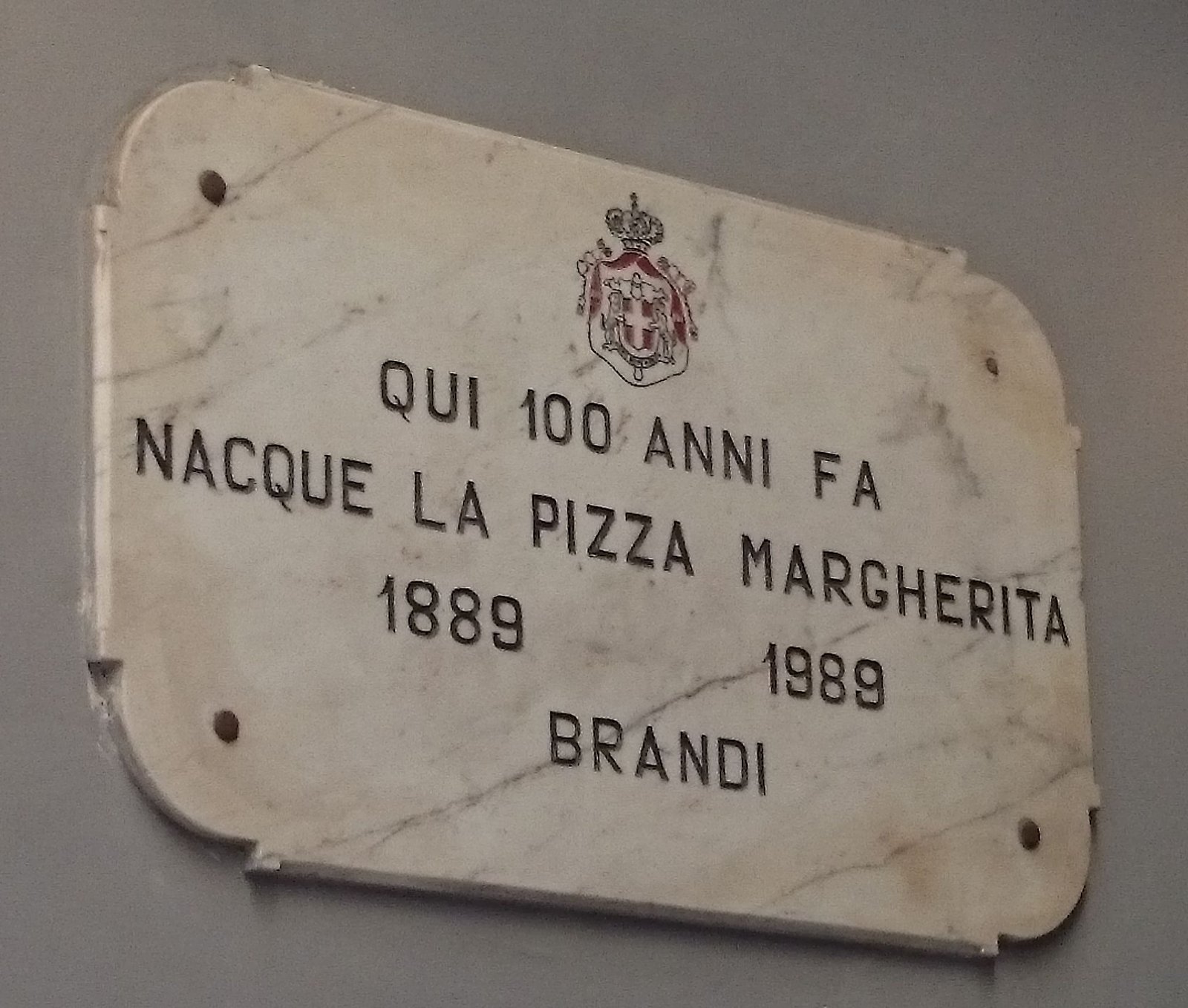
The Margherita was born here. Lunch is a historical reenactment.
A marble plaque near the Royal Palace records the event with civic pride: here, in 1889, Raffaele Esposito baked a pizza in tomato red, mozzarella white and basil green — the colours of the new Italian flag — and named it for Queen Margherita. Naples has considered the matter settled ever since.
In its home city, pizza is not casual food; it is a discipline. The dough rests for days, the oven burns at four hundred and eighty degrees, and the whole transaction, from peel to plate, takes ninety seconds.
The baking class puts your own hands in the flour, under a pizzaiolo who has been doing this longer than you have been eating. You will not reach ninety seconds. You will understand why it matters.
Come for the road. Stay for the hour the lamps come on.
None of this asks to be conquered. The coast rewards the traveller who takes it at the speed of its own evenings — one bay, one table, one switchback at a time.
The sea has kept this pace for three thousand years. Match it.
Words: @quiet.livingjournal.