Tuscany · Italy
Hidden Tuscany
Beyond Florence the crowds thin, the hills take over, and the region starts telling the truth — from a balloon at dawn, a Vespa at noon, and a winery table at dusk.
The Dawn Flight
The hills make more sense from a thousand feet.
The Chianti was designed to be seen at walking pace, which is why the balloon feels like cheating. You leave Florence in the dark, by car, with a driver who knows exactly how little conversation five a.m. requires. In a field somewhere south of the city, a pilot is already coaxing an envelope of hot air upright against the last of the night.
Then the ground lets go. For the better part of an hour you drift wherever the wind was already going — over castle towers and cypress avenues, vineyards combed into corduroy, hilltop villages still switching off their lights. No two flights follow the same route; the sky writes the itinerary that morning.
You land in a field you could not name, which is rather the point. A table is waiting: white cloth, champagne, breakfast among the vines. By ten you are back in Florence, unreasonably pleased with yourself.
The Chianti Road
Fifty cubic centimetres of the dolce vita.
Since 1946 the Vespa has been Italy’s answer to a question nobody else thought to ask: what if errands were glamorous? The tour puts you on an original Piaggio — mirror chrome, obliging engine — and points it at the Chianti. The convoy is small and the pace is honest. You lean through the vineyards to Greve in Chianti, stop at a winery for a guided tour of the cellars, and sit down to a long Tuscan lunch with wine and olive oil pressed from the hills you have just ridden through. A driving licence is required; nerve is optional. If you would rather watch the road than negotiate with it, ride behind an experienced guide and take the scenery at face value.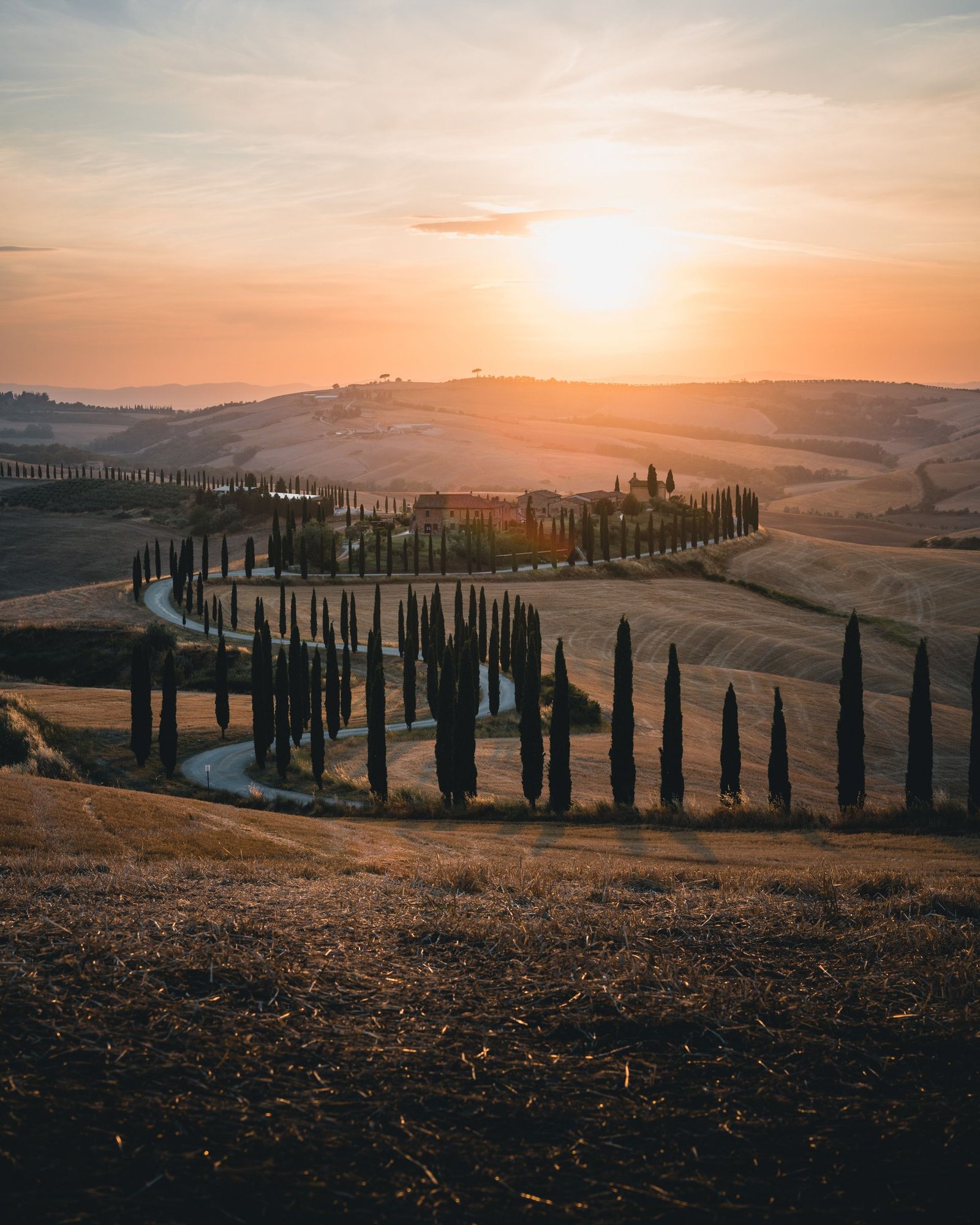
Val d’Orcia
The valley the Renaissance used for a background.
South of Siena the landscape empties into the Val d’Orcia, a UNESCO-listed valley that has been posing for painters since the fifteenth century — bare clay hills, one farmhouse per horizon, cypress roads that look drawn rather than grown. The day is built like a tasting menu. Montalcino first, where Brunello ages in cellars cut beneath the fortress. Then Pienza, a pope’s idea of the perfect city, which smells permanently of pecorino. Then Montepulciano and its Vino Nobile, poured a few metres from where it was made. It is a long day — eleven hours, properly used — and it ends the only way it should: with bottles wedged into the hold of the coach, at prices that make your airline’s weight limit feel personal.
Siena & San Gimignano
Towers at sunset. Dinner in the vines.
Siena does not do understatement; it does vertical. A guided walk threads the contrade down to the Campo, the shell-shaped piazza where the whole city leans in — with a tasting along the way that the guides decline to announce in advance. Then San Gimignano, the medieval Manhattan: fourteen surviving towers raised by families who measured affection in masonry. Climb nothing. Stand in the square and let the skyline do the work. The evening is the argument for the whole day. Sunset over the Chianti hills, then dinner at a boutique winery — a guided visit to the cellars, a long table, and the kind of house wine that ends the search for house wine.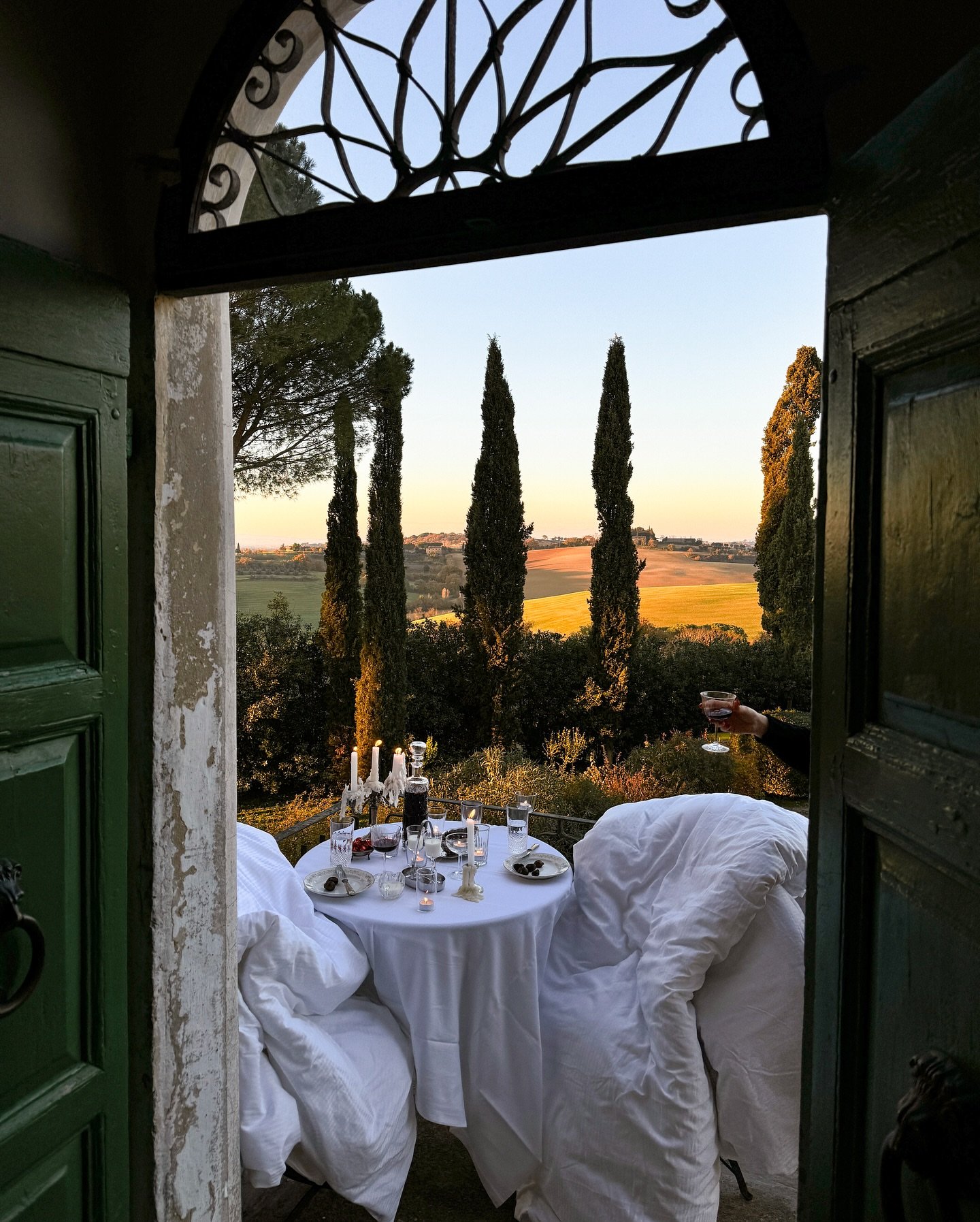
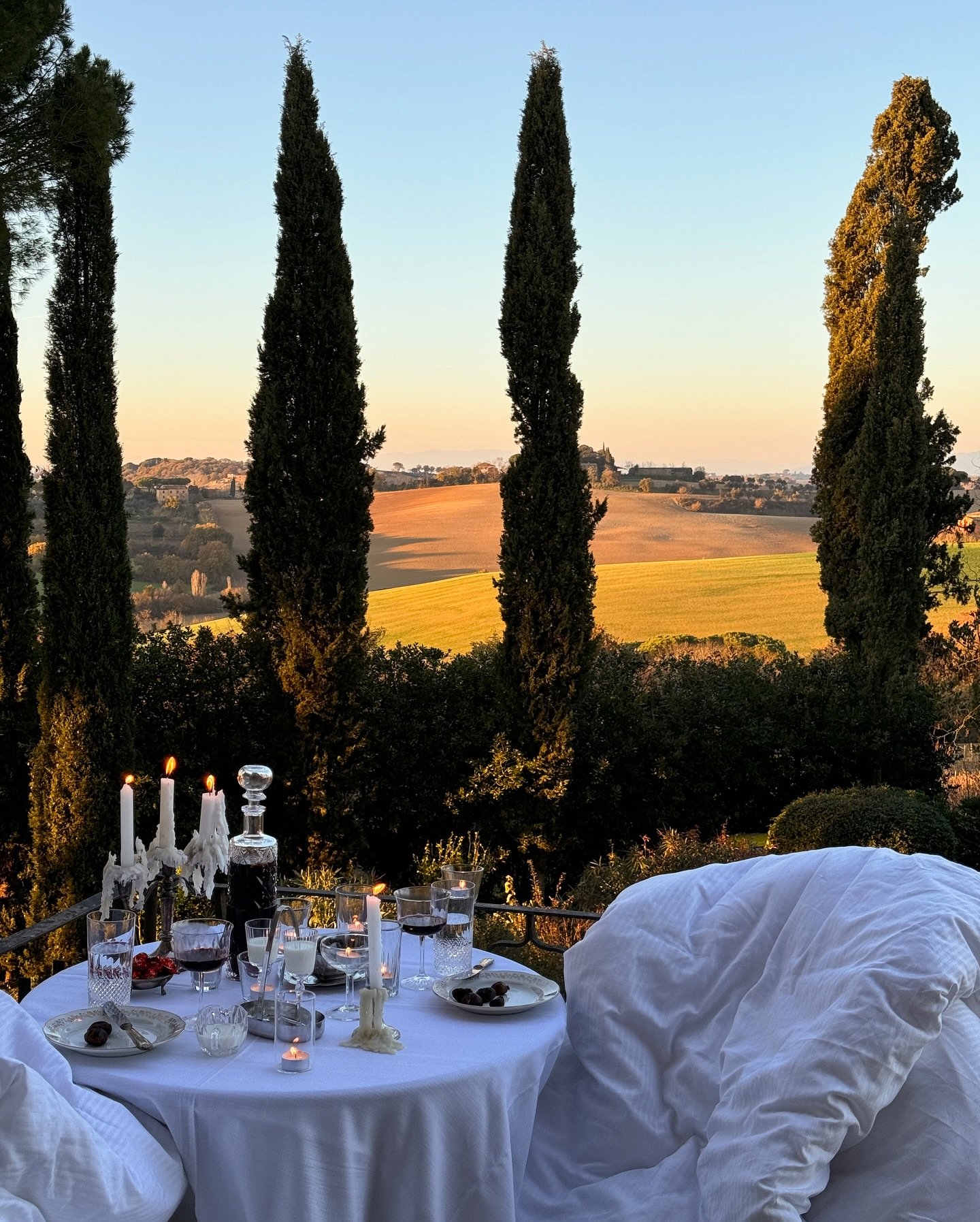
Come for the towers. Stay for the hour the hills turn to gold.
None of this is hidden in any practical sense; it is simply waiting one ridge beyond the obvious. Tuscany rewards the traveller who leaves the city by any means available — basket, scooter or minivan — and comes back at dusk.The hills have kept their side of the bargain for six hundred years. Keep yours.
Words: @quiet.livingjournal. Additional photography via Pexels.
</sectionTHE JOURNAL, DIRECT
Get the next dispatch before it is published.
One quiet email when we publish a new destination guide. No noise, no spam, unsubscribe anytime.